Nationwide Sales & Service - 01536 802333

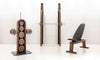
Considering a gym wall bar or Swedish ladder as they are also known, we have created a selection of Wall Bars & accessories finished in stunning woods, available either in stock or Pre Order from Manufacturers such as NOHRD, which we have on display in our showroom, if the location (HP9) works for you.
Read our "using Wall Bars article" to understand their wonderful benefits and space saving attributes, proving popular for our home gym designs
Considering a gym wall bar or Swedish ladder as they are also known, we have created a selection of Wall Bars & accessories finished in stunning woods, available either in stock or Pre Order from Manufacturers such as NOHRD, which we have on display in our showroom, if the location (HP9) works for you.
Read our "using Wall Bars article" to understand their wonderful benefits and space saving attributes, proving popular for our home gym designs
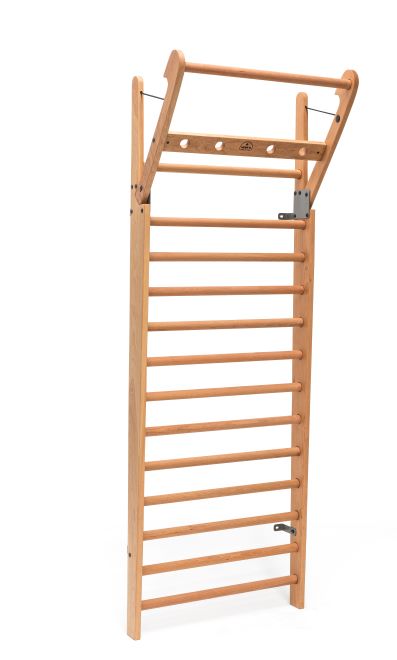
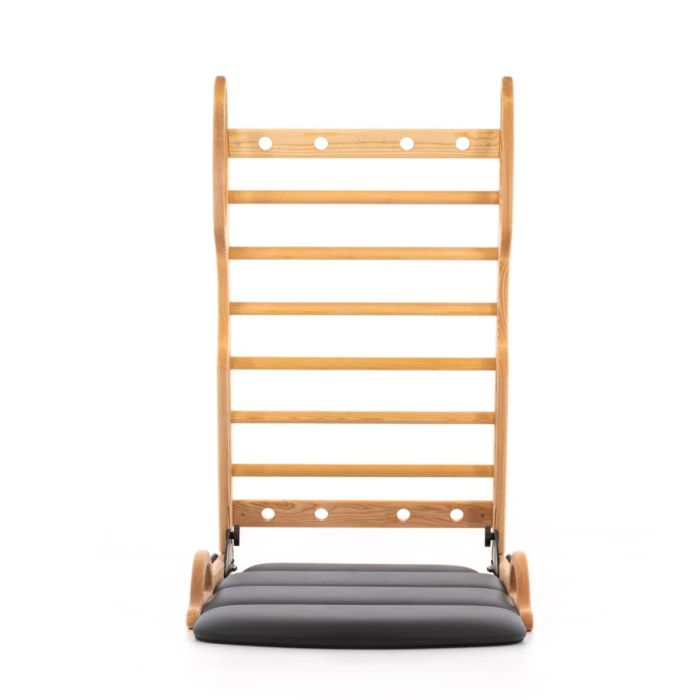
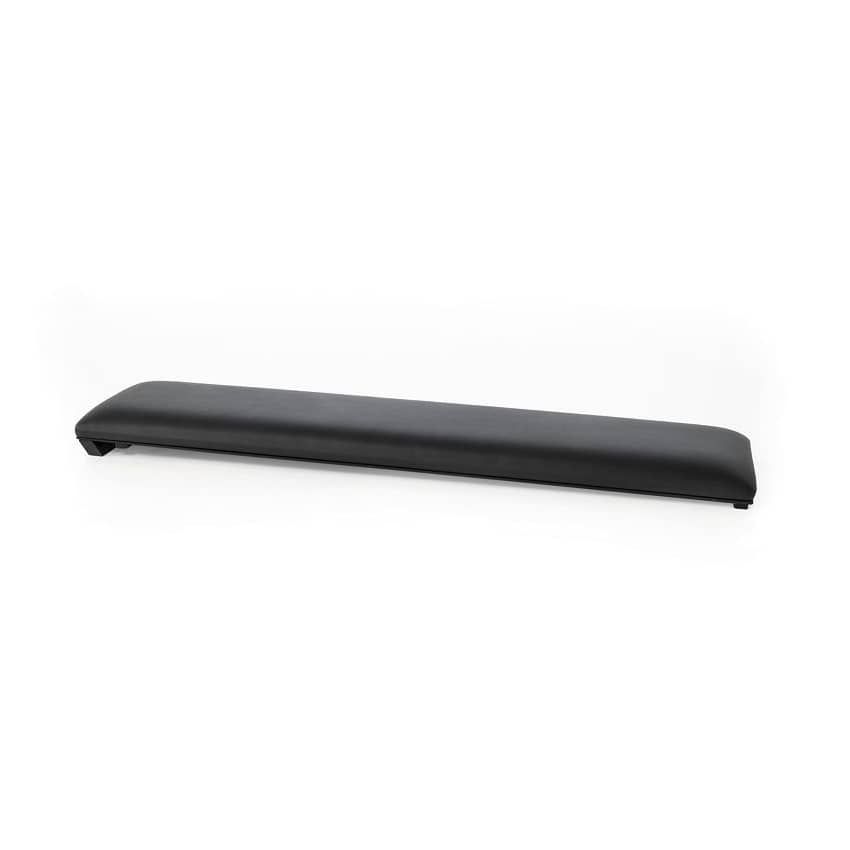
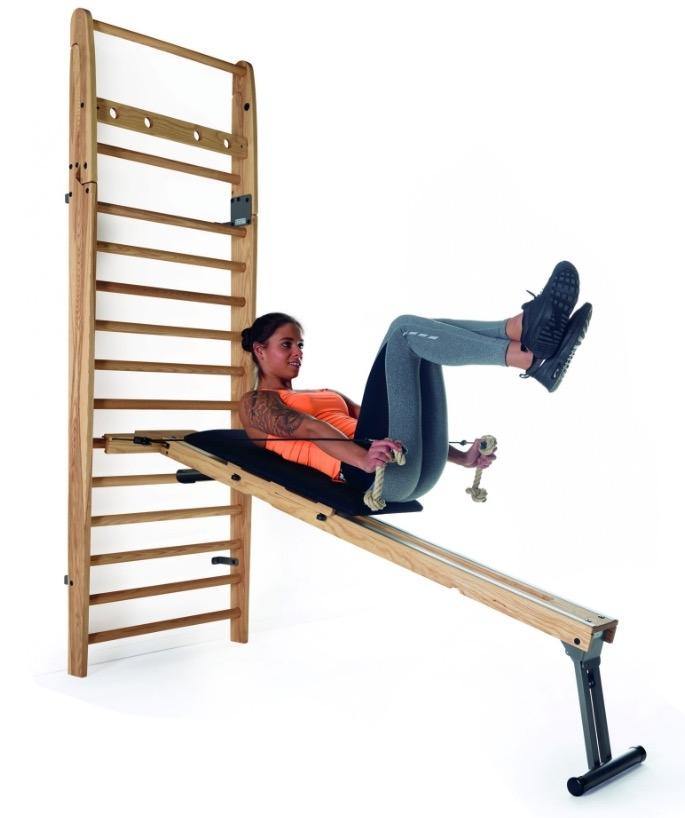
Gym wall bars, also known as Swedish ladders or stall bars, are a classic and versatile piece of fitness equipment made typically of wood or wood combined with metal elements. They are widely used in gyms and home fitness spaces for strength, flexibility, mobility, and coordination training.
1. Can I install wall bars on any wall?
Wall bars require a solid wall with appropriate mounting support—stud walls with wood studs or concrete are best. Plasterboard walls are unsuitable without reinforcement. Installation on brick or concrete requires suitable anchors, often professional installation is advised.
2. What accessories can be attached?
Options include dip bars, pull-up bars, benches, resistance bands, and suspension trainers, greatly expanding exercise variety.
3. How high should a pull-up bar on wall bars be installed?
Ideal height is about one to two inches above outstretched fingertips from standing position to enable comfortable access and clearance.
4. Are wall bars suitable for rehabilitation?
Yes, certain models are designed for rehabilitation like scoliosis exercises, offering controlled, safe stretching and strengthening.
5. What exercises and muscles are commonly targeted?
Wall bars are used for pull-ups, stretching, core engagement, shoulder mobility, and grip strength exercises targeting back muscles, biceps, triceps, core, shoulders, and forearms
In summary, gym wall bars are a compact, multifunctional training apparatus that support wide-ranging exercises targeting major muscle groups including back, arms, core, shoulders, and legs while enhancing mobility, balance, and coordination. Their robust construction combined with extensive accessory compatibility makes them suited for all fitness levels and spaces.