Nationwide Sales & Service - 01536 802333

Our Range
Selecting the right home gym flooring is vital not only for your training but potentially to flow with the your home aesthetics. Whether its home gym floor tiles for your garage, or matting or maybe home rubber gym flooring, from 10mm to 20mm thick or maybe 32 or 40mm for strength areas. Flooring can be biased to whathome gym equipment you choose whether to strength training areas or cardio machines, maybe acoustic dampening is important.
We only supply proven home / commercial brands for our Home Gym Design projects or customers such as Primal, Jordan, Paviflex, Duratrain & Gerflor, either in stock or up to 6 weeks from the factories.
Viewing 15 out of 28 products
Load More
1) Luxury Vinyl Tile (LVT) flooring is a popular choice for home gyms that prioritise aesthetics, comfort, and easy maintenance, especially in multi-purpose rooms or where you want the gym space to match the look of the rest of the house. LVT mimics wood, stone, or tile finishes yet offers performance advantages suited to moderate gym use.
Hard-Wearing and Durable:LVT is tough, able to withstand heavy foot traffic and gym equipment (such as elliptical machines, Pilates reformers, and selectorised strength equipment). It’s less likely to scratch or dent than standard vinyl.
Waterproof and Mould-Resistant: Unlike wood, LVT does not warp, split, or develop mold in damp basements or garage gyms. Its waterproof design makes it safe for spaces with high humidity or the occasional liquid spill.
Aesthetic Versatility:LVT is available in a wide range of finishes, closely resembling wood, stone, marble, or slate. This allows home gyms to blend seamlessly with existing flooring throughout the home.
Comfort and Sound Insulation:LVT provides moderate shock absorption, warmth underfoot, and is quieter than ceramic tile or laminate. This makes workouts more comfortable and less noisy for other household members.
Ease of Cleaning: LVT only requires regular vacuuming or mopping. It resists stains and scuffs, keeping the space hygienic with minimal effort.
Shock Absorption: LVT does not absorb as much impact as thick rubber tiles, so it’s less suited for high-impact workouts, Olympic lifting, or if you routinely drop weights.
Susceptibility to Denting Under Heavy Loads: Inferior Vinyl can dent if subjected to power racks or very heavy gym equipment for extended periods. Rubber remains superior for free weight zones or CrossFit-style training.
Installation Requirements: LVT must be laid over an even surface; any dips will show through and affect stability. Most glue-down LVT requires subfloor prep and may be harder to remove compared to interlocking tiles if your gym layout changes. Floating/looselay systems can shift under heavy use, so glue-down is recommended for gym settings.
Thickness: LVT is typically thinner than rubber tiles but thicker than standard vinyl, providing moderate insulation and noise reduction without compromising floor height.
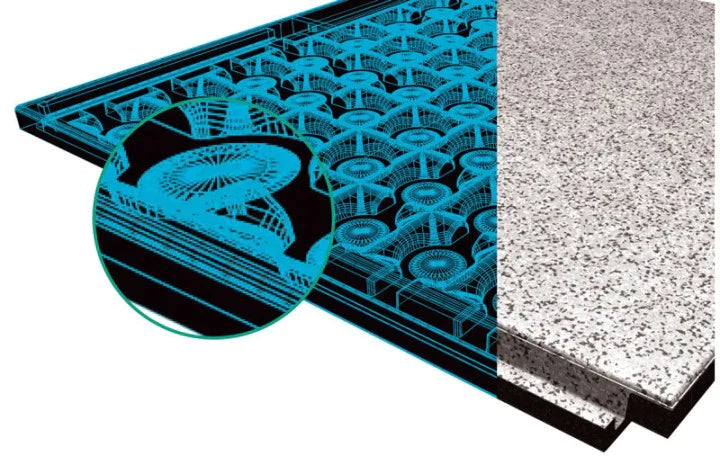
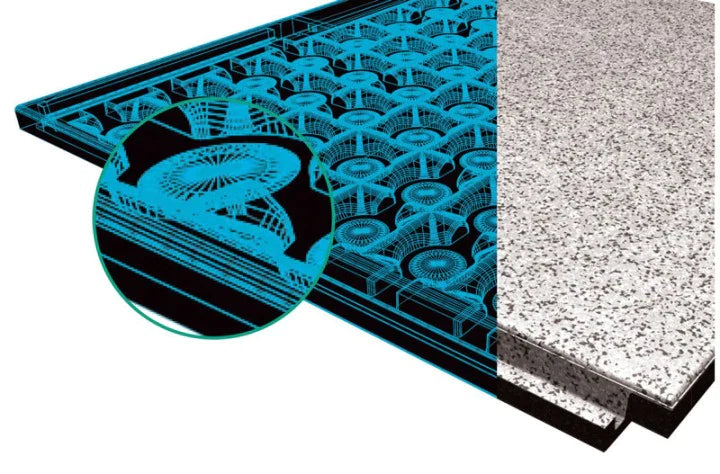
2) Acoustic gym flooring for home use is specifically engineered to minimize noise and vibrations from workouts, which is especially important in shared spaces, multi-storey homes, or when aiming to avoid disturbing neighbors. Premium acoustic options typically combine dense materials and layered construction to reduce both impact and airborne noise from dropping weights, cardio, or machine use.
High-Density Rubber Tiles/Mats:
Multi-Layer Acoustic Systems:
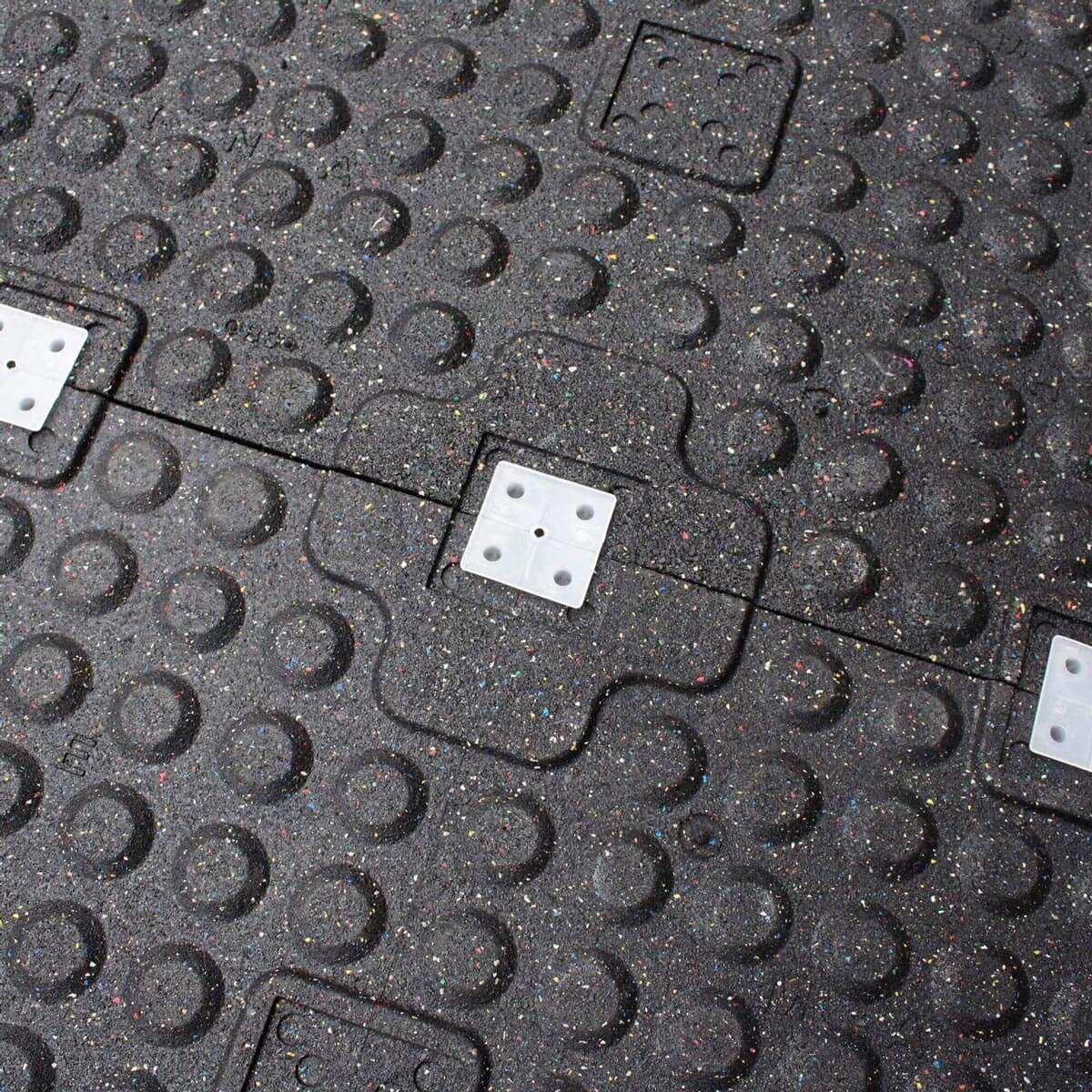
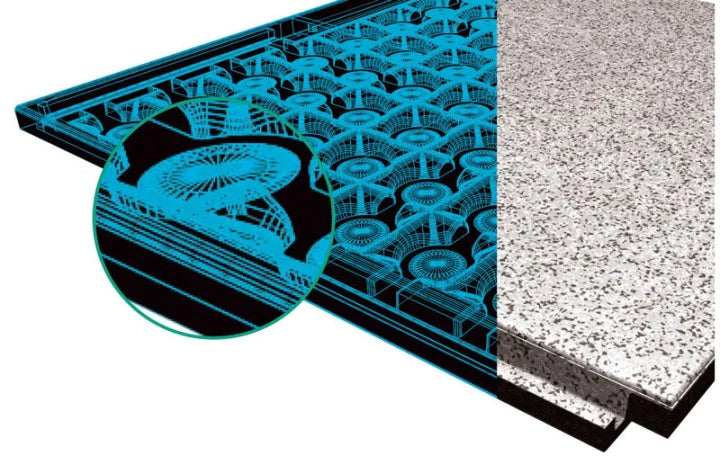
Proprietary Acoustic Tiles/Platforms: Some brands offer integrated platforms with layered absorption for maximum impact noise control. These are ideal for those dropping heavy weights, or where noise transmission is a critical concern.
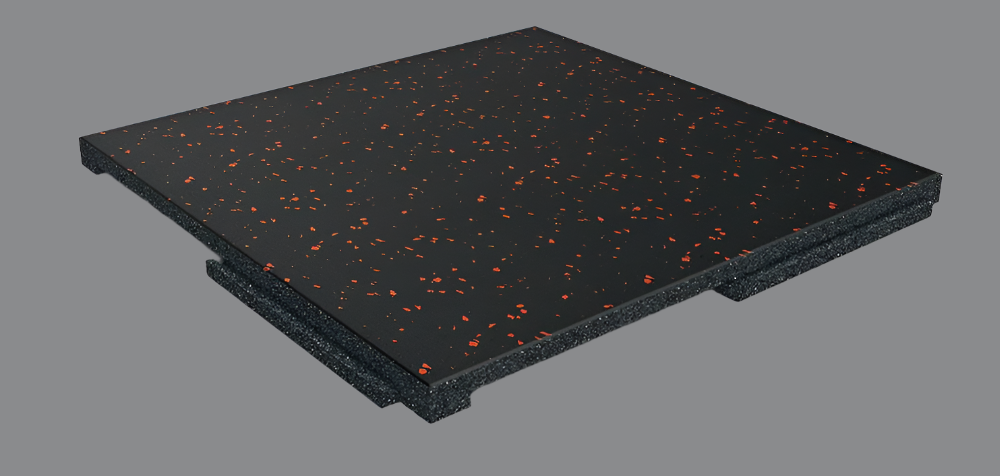
3) Interlocking home gym flooring is one of the most practical, versatile, and user-friendly options for creating a safe and stable workout environment. These tiles and mats are designed with puzzle-like edges or hidden connector systems for quick, tool-free assembly, making them particularly popular for both garage gyms and dedicated fitness rooms.
Rubber Interlocking Tiles:
Available in thicknesses typically from 6mm up to 40mm, with 20–30mm options being ideal for most home gyms, especially in free weight areas or under heavy machines.
Popular ranges include hidden-connection tiles and jigsaw "Puzzle" mats, which snap together for a smooth, seamless fit.
Foam Interlocking Tiles:
Much lighter, suitable for bodyweight training, Pilates, or yoga zones. Usually available in 20mm and 40mm thicknesses.
Artificial Grass Interlocking Tiles:
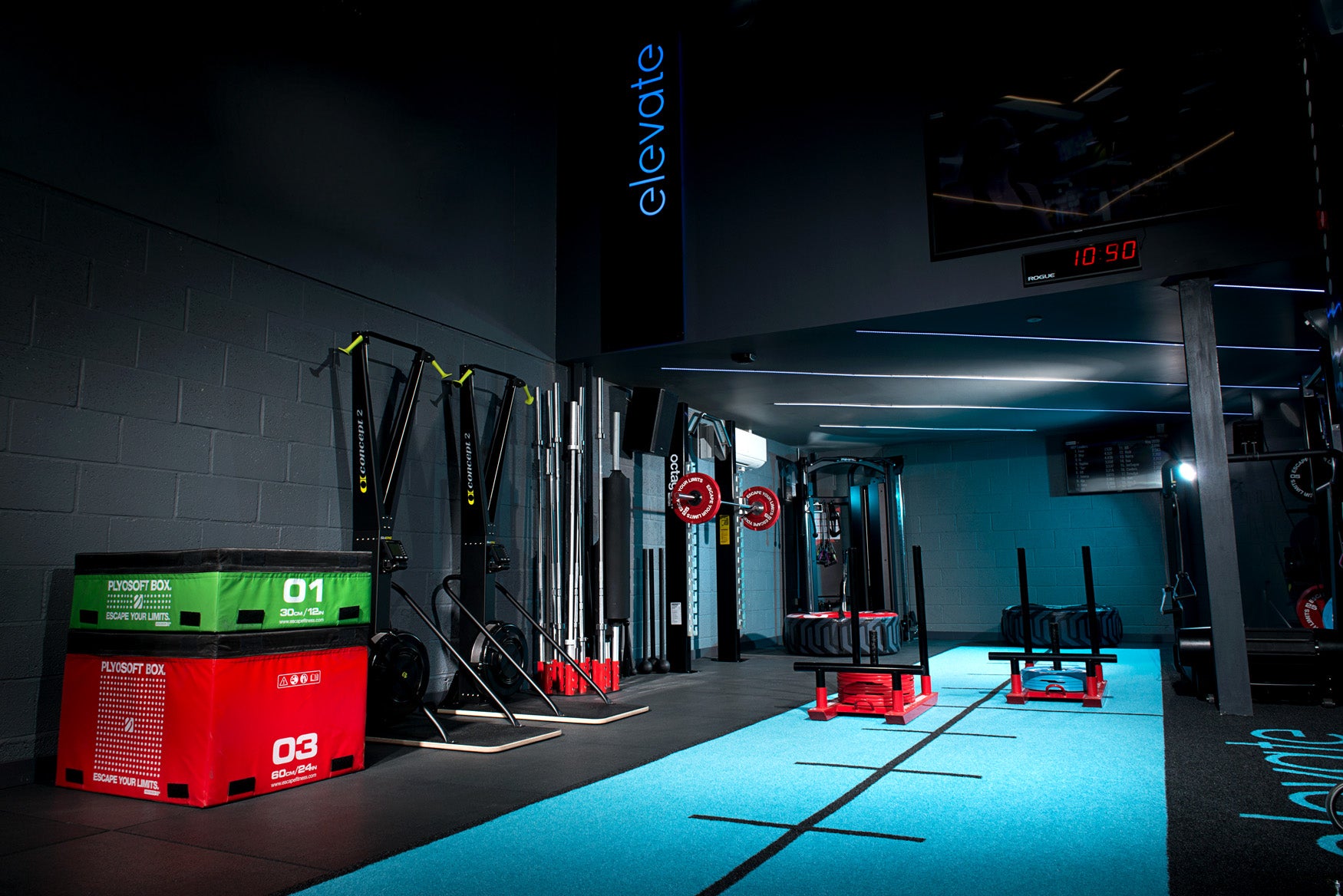
Used for sprint tracks or prowler zones. Often seen in hybrid gym setups.
EPDM and Polyurethane Foam Tiles:
EPDM rubber is used for high-intensity and lifting zones, polyurethane foam for light exercise areas.
Can interlocking gym tiles shift or move?
High-quality, heavy tiles (especially those with hidden connectors) are designed to stay in place during intense workouts.
What thickness should I choose for interlocking gym flooring?
For home gyms, 15–20mm is good for cardio and machines; 20–30mm or more is ideal for heavy lifting areas.
Can you install interlocking tiles over carpet?
Thin, firm carpet may work, but think about potential movement. For best results, use on wood, concrete, or with a rigid underlay.
How do you clean interlocking tiles?
Use a damp mop and mild detergent. Avoid harsh chemicals, especially on foam tiles.