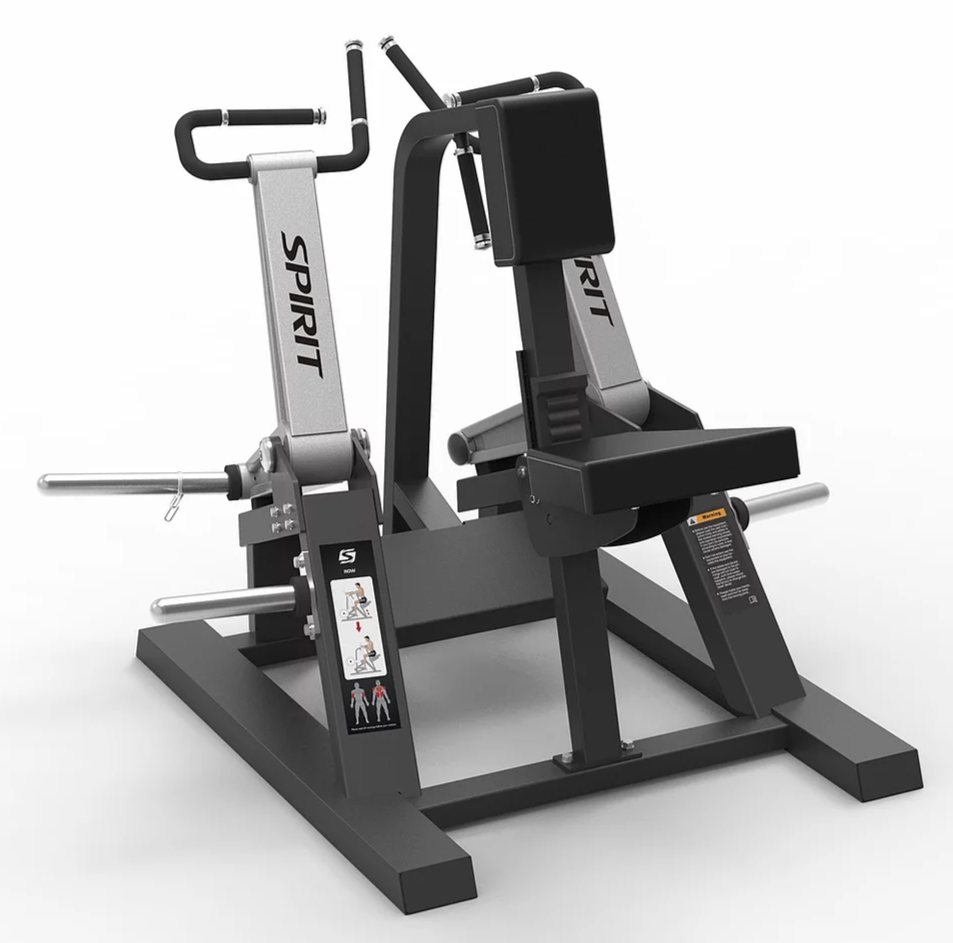
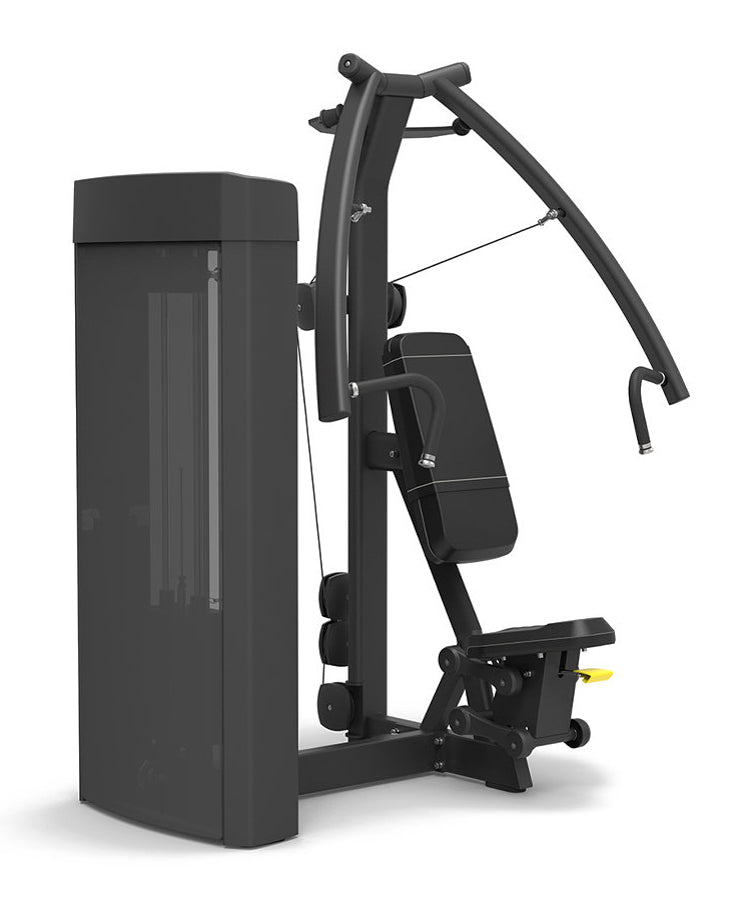
Ideal for chest days, chest fly machines deliver focused activation of the chest muscles, offering both hypertrophy and definition-building benefits while minimizing injury risk thanks to its guided movement path and isolation properties. By utilizing the machine's adjustability and controlled motion, users can enhance their chest training outcomes and suit a variety of fitness levels and goals.
Benefits of Chest Fly Machines
- Improves chest muscle strength and endurance by targeting the pectoralis major and minor with consistent resistance through a large range of motion.
- Increases muscle definition and tone by maintaining constant tension across the chest, particularly through the inner and midline fibers.
- Reduces the risk of injury compared to free-weight flyes, since the machine provides fixed movement and encourages proper technique, minimizing strain on shoulders and elbows.
- Offers versatility by enabling users to adjust resistance, seat height, and arm arc to optimize muscle recruitment and accommodate personal biomechanics.
- Helps address imbalances and improve posture due to the bilateral, controlled execution.
Muscles Used with a Chest Fly Cable Machine
- Pectoralis Major (Sternal and Clavicular Heads): Responsible for drawing the arms toward the midline of the body (horizontal adduction), these fibers experience maximal contraction during the 'squeeze' phase when handles are brought together.
- Pectoralis Minor: Lies beneath the pectoralis major; provides scapular stability and assists with shoulder movement throughout the fly motion.
- Anterior Deltoids: Assist in bringing the arms forward and stabilizing the shoulder, especially at the beginning and end of the movement arc.
- Triceps Brachii: Act as secondary stabilizers in this movement, keeping the elbow joints slightly flexed but not bearing primary load.
- Serratus Anterior and Stabilizers: These muscles help steady the scapula as the arms move through the fly motion; they are engaged subtly during the exercise.
Setting up your Chest Fly Equipment correctly
- Adjust the seat so handles are level with the chest or shoulders when seated; ensure a slight bend in the elbows throughout the movement.
- Sit up tall, back pressed into the pad, feet flat, and firmly grip the handles.
- Begin from an open-arm position, exhale and squeeze the chest to arc the handles together smoothly, keeping the elbows soft and wrists in neutral alignment.
- Pause briefly when the hands meet or nearly touch in front, maximizing pectoral contraction.
- Return to the open-arm start position in a controlled manner, maintaining tension in the chest and not letting the weights slam down or pulling arms too far past the shoulders.
Buying Tips for Chest Fly Machines
- Type and Range: Decide between a dedicated pec fly machine, a pec dec/“butterfly” design, or a dual-function machine that allows both fly and reverse fly movements for broader versatility.
- Adjustment Features: Look for adjustable seat and arm height, variable handle positions, and a broad arc of movement to accommodate different user sizes and optimize muscle targeting.
- Resistance Mechanism: Choose between pin-loaded selectorised weights for fast changes or plate-loaded versions for commercial durability and heavier capacity.
- Ergonomics and Comfort: Prioritize machines with high-density foam pads, smooth motion arms, and positions that promote natural shoulder and elbow alignment to reduce the risk of joint stress.
- Footprint and Space: Consider machine size, ensuring it fits well in the intended space without obstructing access for other gym equipment.
- Build Quality: Opt for well-known brands and commercial-grade materials if high-traffic gym use is anticipated—look for robust steel gauge construction and reliable cable/pivot mechanics.
- Maintenance and Warranty: Review service intervals, warranty coverage on frame and moving parts, and availability of replacement pads or parts for long-term operation.