Nationwide Sales & Service - 01536 802333

Our Range
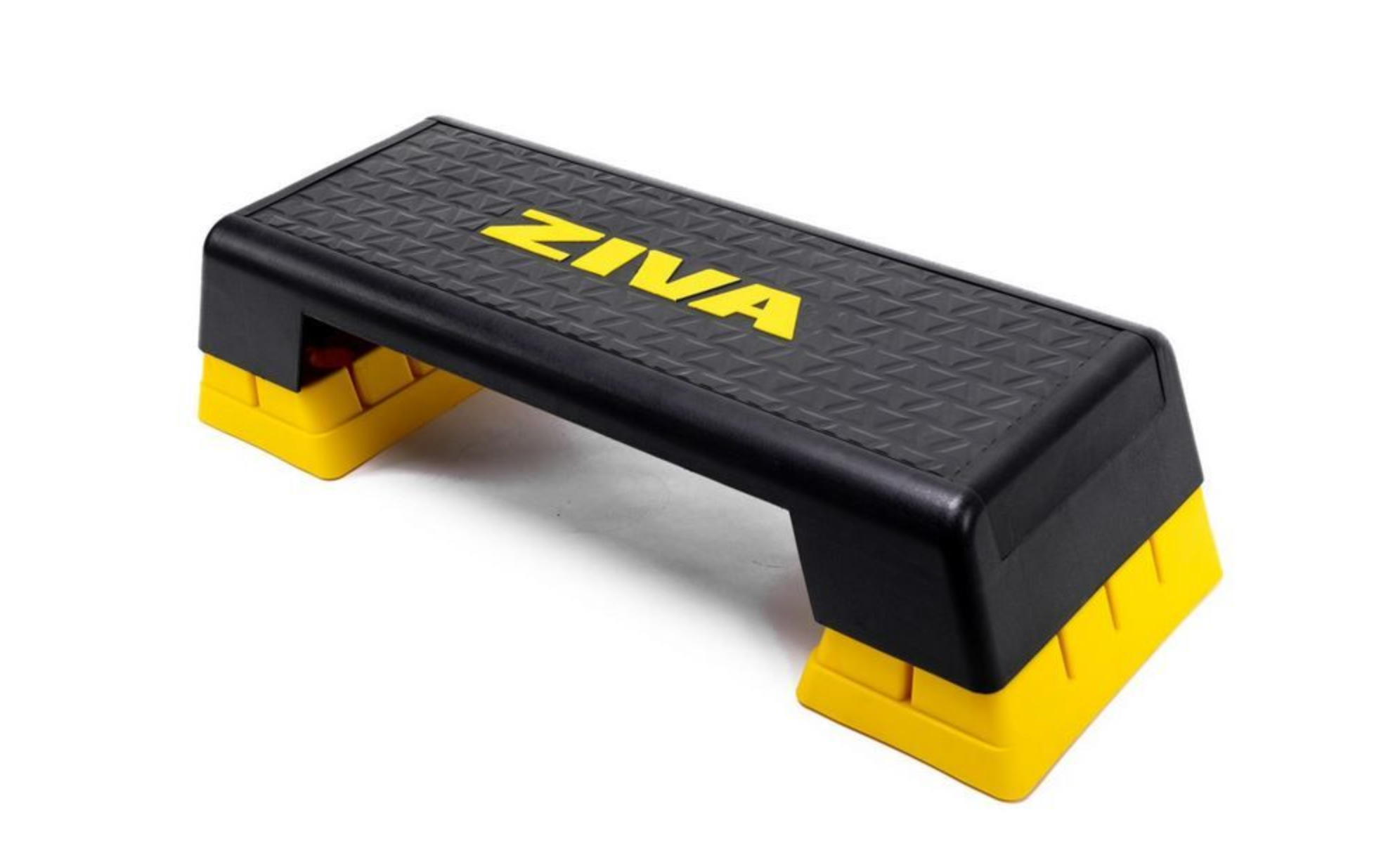
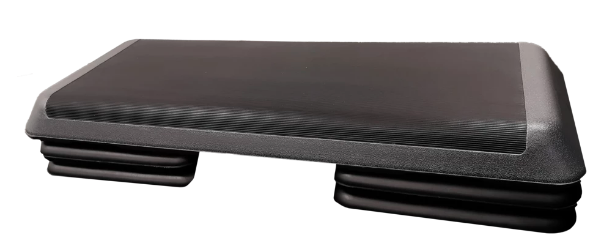
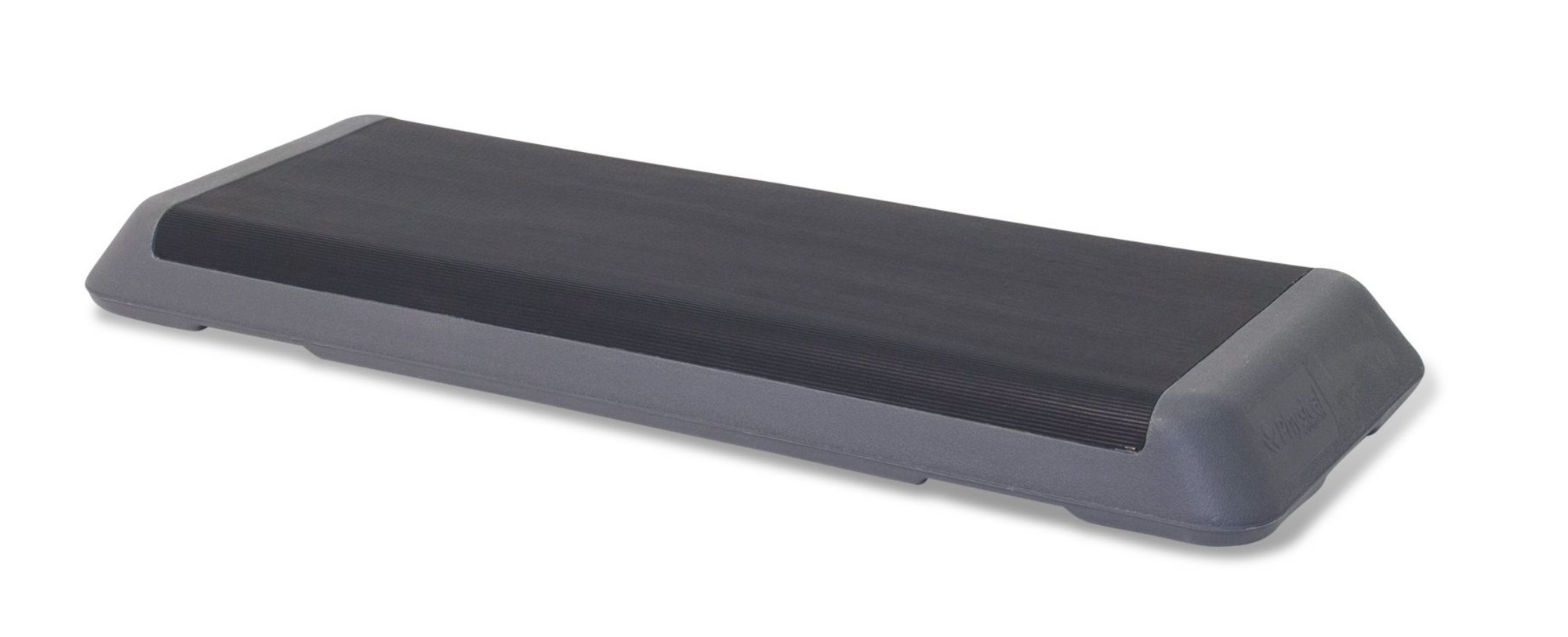
Search our exercise steps for exercise & fitness, the classic aerobic step platform can be used as a bench for classes such as Body Pump or as a workout step for rehab or even to carry out the Harvard Step Test. Explore our range of innovative & quality Steps & Benches from the leading equipment brands such as Reebok, Jordan, Physical, Escape, Fitness Mad and more.
Cardiovascular Health - Step aerobics provides an excellent cardiovascular workout, elevating heart rate and improving circulation. Regular step training can reduce the risk of heart disease, lower blood pressure, and improve overall cardiovascular endurance. A 30-minute step workout can burn 200-400 calories depending on intensity.
Lower Body Strength & Toning - Step exercises target major muscle groups including quadriceps, hamstrings, glutes, and calves. The repetitive stepping motion builds muscular endurance and creates lean, toned legs and buttocks. Adjustable height settings allow progressive overload for continued strength gains.
Low-Impact Exercise Option - Unlike running or high-impact aerobics, step training is gentler on joints while still providing effective cardio. The controlled stepping motion reduces stress on knees, hips, and ankles, making it suitable for those with joint concerns or recovering from injury.
Improved Balance & Coordination - Stepping up and down requires balance, coordination, and proprioception. Regular practice enhances neuromuscular control, reducing fall risk and improving overall functional fitness for daily activities.
Versatility & Variety - Exercise steps aren't limited to step aerobics - they function as adjustable benches for strength training, platforms for plyometrics, and tools for rehabilitation exercises. This versatility makes them valuable for home gyms and commercial facilities alike.
Space-Efficient & Portable - Most step platforms are lightweight, stackable, and easy to store, making them ideal for home workouts or group fitness classes where equipment needs to be set up and packed away regularly.
Premium step platforms feature multiple height adjustments (typically 10cm, 15cm, 20cm, and 25cm) using removable risers. This allows users to customize intensity and accommodate different fitness levels and exercise types.
Quality steps feature textured, rubberized top surfaces that provide secure footing even during intense, sweaty workouts. Look for platforms with deep grooves or specialized grip patterns for maximum safety.
Better step platforms incorporate shock-absorbing materials or construction that reduces impact on joints. This feature is particularly important for high-repetition workouts and protects knees, ankles, and hips.
Commercial-grade steps support 150kg+ and feature reinforced platforms that won't flex or wobble during use. Heavy-duty plastic or composite materials ensure longevity even with daily use.
Rubber feet or non-slip base pads prevent the step from sliding on various floor surfaces including wood, tile, carpet, and rubber gym flooring. This stability is crucial for safety during dynamic movements.
Stackable design allows multiple steps to be stored efficiently. Risers typically nest inside or attach to the platform for organized storage and easy transport.
Home Fitness: A basic adjustable step (10-20cm) is sufficient for general cardio and strength training. Look for compact, lightweight options that store easily.
Group Fitness Classes: Invest in commercial-grade steps with higher weight capacities and durability. Consider purchasing multiple units that stack for efficient storage.
Rehabilitation: Lower-height steps (10-15cm) with excellent stability are ideal for physical therapy and senior fitness programs.
Athletic Training: Higher platforms (20-25cm) with robust construction support plyometric exercises and explosive movements.
Standard Size: Most steps measure 68-110cm long x 28-41cm wide. Longer platforms (100cm+) provide more stepping surface and versatility for exercises like decline push-ups.
Compact Steps: Smaller platforms (60-80cm) are ideal for limited space but may feel restrictive for larger users or certain exercises.
Height Range: Ensure the step offers height adjustments suitable for your fitness level. Beginners should start at 10-15cm, while advanced users may want 20-25cm options.
Home-use steps typically support 100-120kg, while commercial models handle 150kg+. Always choose a step rated well above your body weight, especially if you'll be jumping or using additional weights.
Platform Material: High-density polyethylene or reinforced plastic offers the best durability-to-weight ratio. Avoid thin, flexible platforms that may crack or warp.
Riser Material: Sturdy plastic or rubber risers should lock securely and support the platform without flexing.
Surface Texture: Deep, multi-directional tread patterns provide better grip than shallow or unidirectional grooves.
Established brands like Reebok, Jordan Fitness, Escape Fitness, and Physical Company offer proven quality, replacement parts availability, and customer support. While budget options exist, investing in a quality step ensures safety and longevity.
What height should I start with as a beginner?
Beginners should start with the lowest height setting, typically 10-15cm. This allows you to learn proper form, build cardiovascular endurance, and strengthen muscles safely. As your fitness improves over 4-6 weeks, gradually increase the height by adding one riser at a time. Listen to your body - if you experience knee pain or excessive fatigue, reduce the height.
How many calories can I burn using an exercise step?
Calorie burn varies based on intensity, height setting, body weight, and workout duration. On average, a 30-minute step aerobics session burns 200-400 calories. Higher intensity workouts with increased step height, faster pace, or added weights can burn 300-500 calories in 30 minutes. A 70kg person typically burns approximately 8-10 calories per minute during moderate-intensity step training.
Are exercise steps suitable for seniors or people with joint problems?
Yes, when used properly. Start with the lowest height setting (10cm) and focus on controlled, steady movements rather than high-impact jumping. Step training can actually improve joint health by strengthening supporting muscles and improving balance. However, those with severe arthritis or recent joint injuries should consult a physiotherapist before beginning. The low-impact nature makes it gentler than running while still providing cardiovascular benefits.
How do I prevent the step from sliding during workouts?
Quality steps include non-slip rubber feet or base pads. For additional stability, place the step on a rubber gym mat or carpet rather than smooth tile or wood floors. Ensure all risers are properly locked in place and the platform is level. Avoid using steps on wet surfaces. If your step continues to slide, consider purchasing aftermarket non-slip pads or placing it on a yoga mat.
Can I use an exercise step for strength training exercises?
Yes you can, Exercise steps are versatile strength training tools. Use them as adjustable benches for dumbbell chest presses, shoulder presses, and tricep exercises. They're excellent for decline and incline push-ups, Bulgarian split squats, step-ups with weights, tricep dips, and single-leg exercises. The adjustable height makes them more versatile than fixed benches for targeting muscles from different angles.