Commercial gym flooring has to cope with constant footfall, dropped weights, cleaning and noise. Interlocking rubber tiles are the standard for most areas, thick rubber suits lifting zones, turf and track suit conditioning, and LVT suits studios, hotels and offices. Acoustic options help where the gym sits above or beside other occupied space. This guide compares each option by area, so you can specify the right floor for your facility.
| Type | Best for | Impact and durability | Installation | Watch out for |
|---|---|---|---|---|
| Interlocking rubber tiles | Most commercial areas | High | Modular, quick to lay | More joins than a continuous floor |
| Heavy-duty rubber, 20 to 40mm | Free weights and lifting platforms | Very high | Modular or platform build | Subfloor must suit the load |
| Turf and sprint track | Functional, sled and conditioning zones | Moderate with a padded backing, not for dropped weights | Loose lay or glued | Hygiene and upkeep |
| Vinyl and LVT | Studios, hotels, offices, stretch areas | Lower | Professional fit advised | Not for heavy drops |
| Acoustic rubber or LVT | Gyms above or beside occupied space | Varies by build-up | Professional fit advised | Match the build-up to the use |
| Zone | Suggested flooring |
|---|---|
| Free weights and lifting | Thick, dense rubber, with lifting platforms or drop pads |
| Strength machines | Rubber tiles, 10 to 20mm |
| Cardio | Rubber tiles, or acoustic rubber where noise matters |
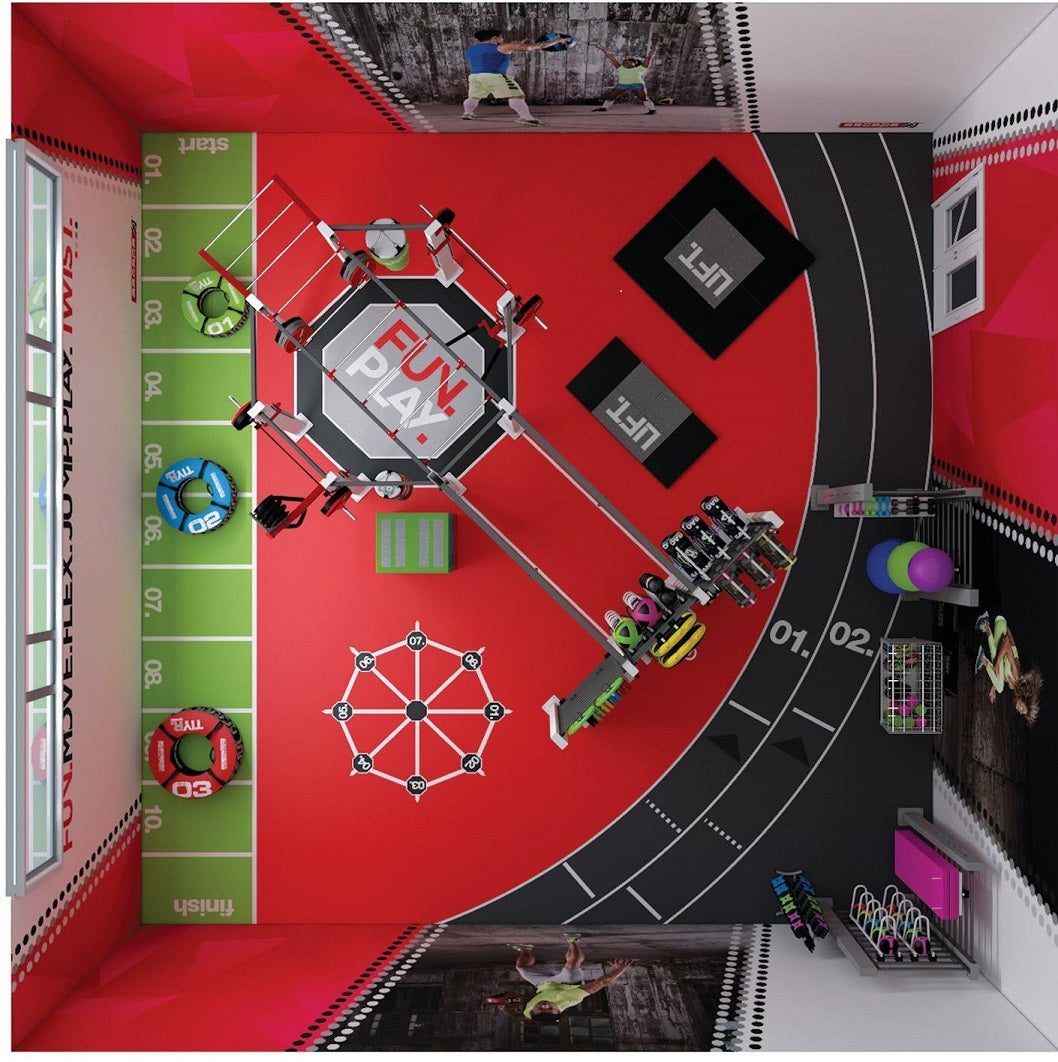
| Functional training and CrossFit | Rubber with turf or sprint track strips for sleds |
| Group exercise and studio | Rubber, vinyl or LVT |
| Stretch, yoga and recovery | Rubber, foam or LVT for a softer, quieter finish |
Thickness follows use. Lighter zones can use thinner flooring, while lifting areas need dense, thick rubber over a suitable subfloor.
Check the subfloor and building structure before specifying heavy-duty flooring. Our team can advise on upper floors and basements.
Both routes help where a gym shares a building with homes, rooms or offices. Ask our team to match the build-up to your building and the equipment you plan to use.
We supply gym flooring for commercial gyms, hotels, offices and schools from established brands including Pavigym, Paviflex, DuraTRAIN, Jordan and Gerflor. Here are some of the options.


Read our flooring types guide and flooring considerations guide for more detail, or see our commercial gym design service. For logos, markings or custom turf track layouts, see customising your gym space.
Rubber, usually as interlocking tiles, is the standard choice for commercial gyms. It absorbs impact, reduces noise, protects the subfloor and stands up to constant footfall and dropped weights. Thickness and density should match how each zone is used.
Free-weights and lifting zones need thick, dense rubber, typically 20 to 40mm, often with dedicated lifting platforms. Cardio and studio zones can use thinner rubber or vinyl. The subfloor also matters, and ground floors are better for heavy weights.
Yes. Acoustic rubber tiles and acoustic LVT are designed to reduce noise and vibration, which matters in hotels, offices, residential developments and multi-storey buildings. We can advise on the right build-up for your building.
LVT and vinyl suit lighter-use areas such as studios, hotel gyms, office gyms and stretch zones where appearance matters. They are not designed for heavy drops, so use rubber in free-weights areas.
Durable, easy-to-clean rubber is a common choice for school and college fitness suites. We supply a dedicated range of school gym flooring covering cardio, strength and conditioning areas.
Yes. We supply gym flooring and can provide professional flooring installers, planned alongside your equipment layout and gym design.
Yes. Colours, zone markings, logos and custom turf or sprint track layouts are possible. See our customising page for details.
Yes. Turf and sprint and sled track are popular in functional training and conditioning zones, usually laid beside rubber. They need regular cleaning, and padded turf is not a substitute for dense rubber, so keep heavy dropped weights on rubber.
Sweep or vacuum daily to remove grit, and use a damp mop with a mild cleaner. Avoid harsh solvents on rubber, and follow the care guidance for your specific product.
Yes. We plan flooring, equipment, layout and finishes together, and offer a free consultation and free 3D design.
Commercial Guides
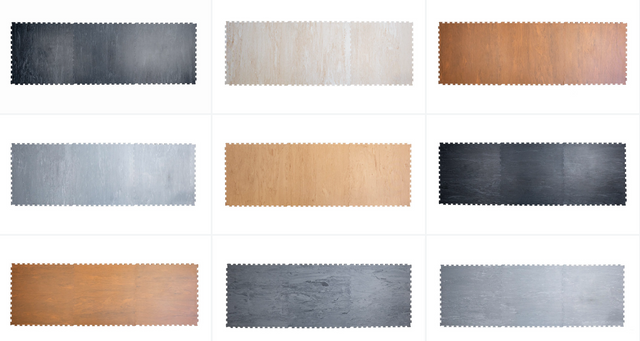
Pavigym’s new marbled and grained flooring thus sets a benchmark for combining performance, design, and environmental awareness in gym interiors, o...
Read the guide →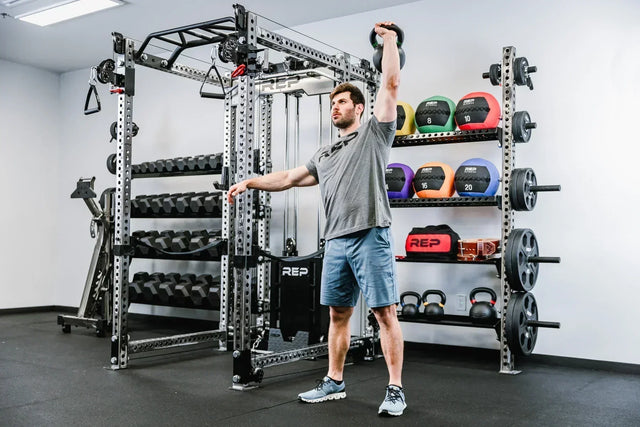
REP Fitness has become one of our most recommended strength brands for home gym builds — and for good reason. We explore why the range's dimensiona...
Read the guide →If you wish to contact us for any reason, our dedicated team of customer service experts are here to help.
Please either fill in the contact form or send us a message using our online chat at the right-hand side of the screen. Our Customer Service Online Chat is available 7 days a week from 9am-8pm. If your enquiry relates to an existing order, please include your order number.