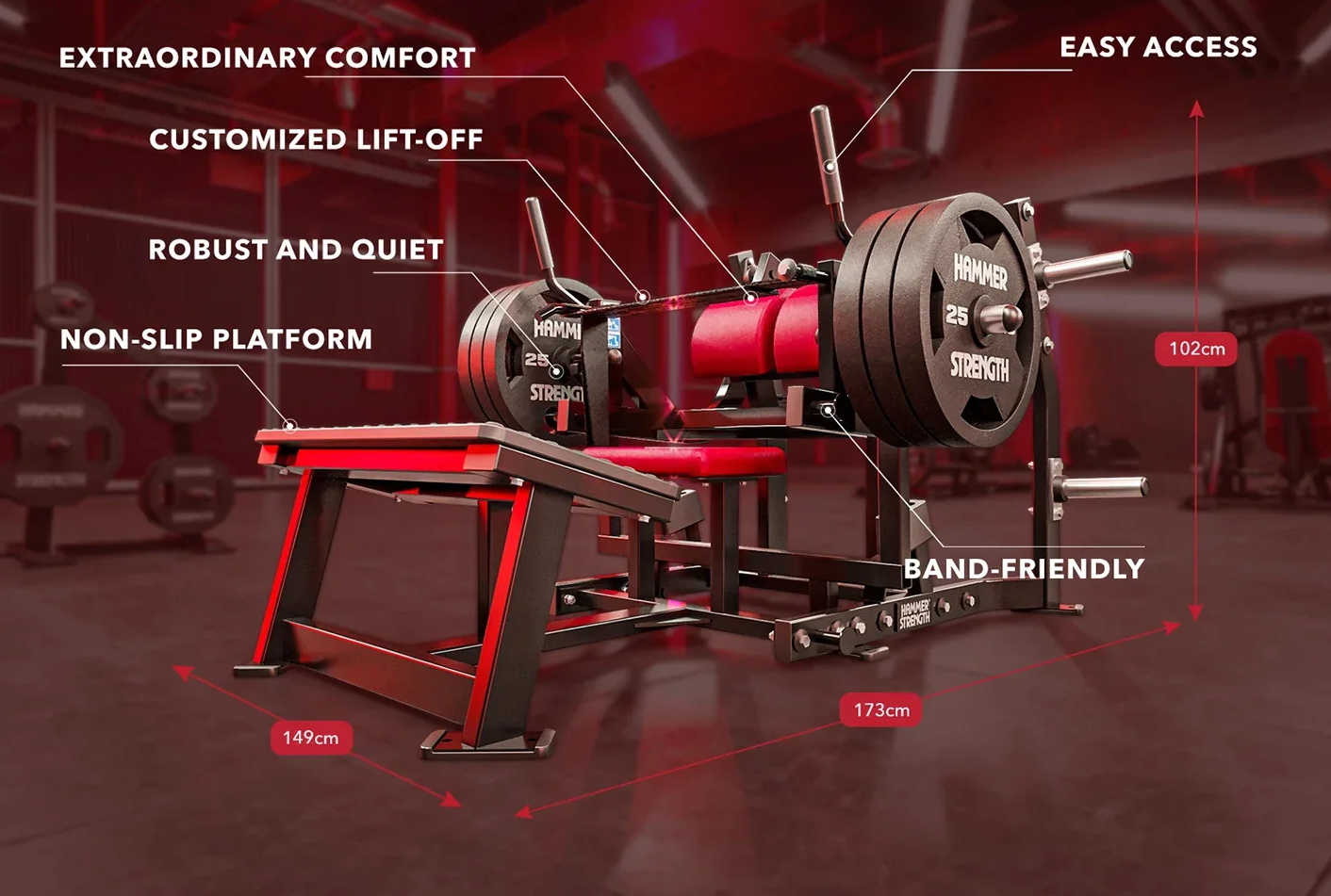
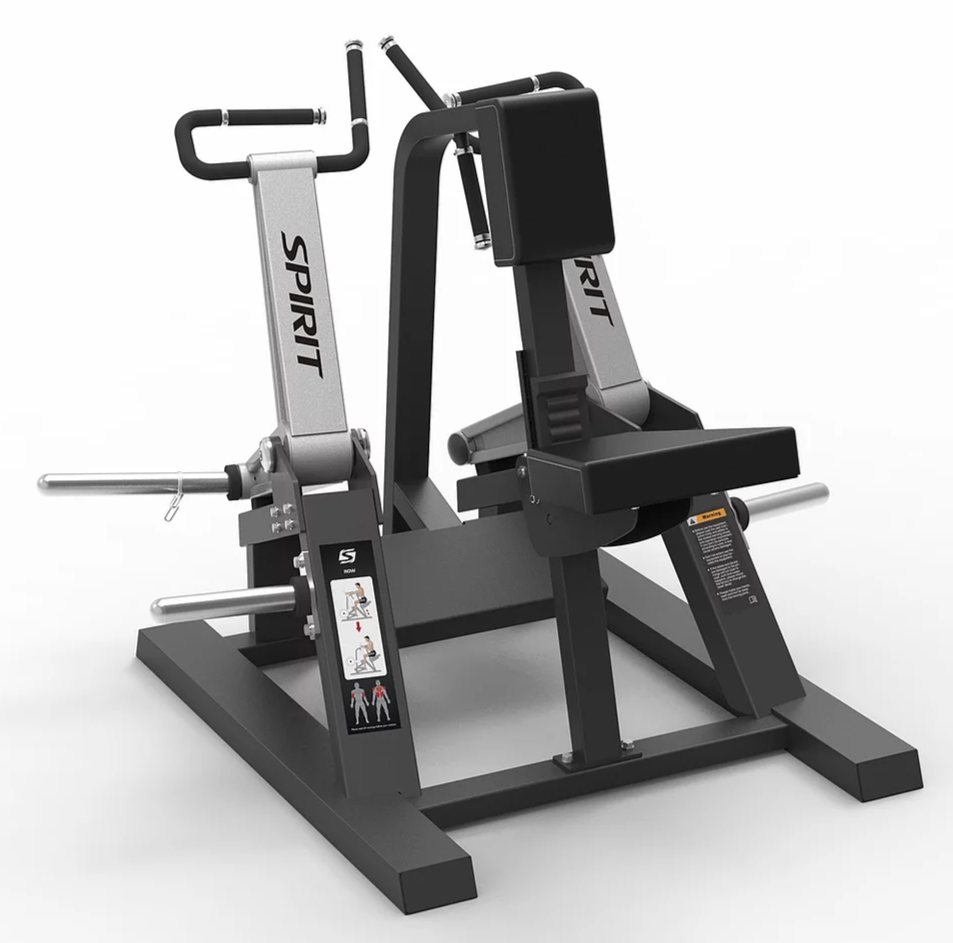
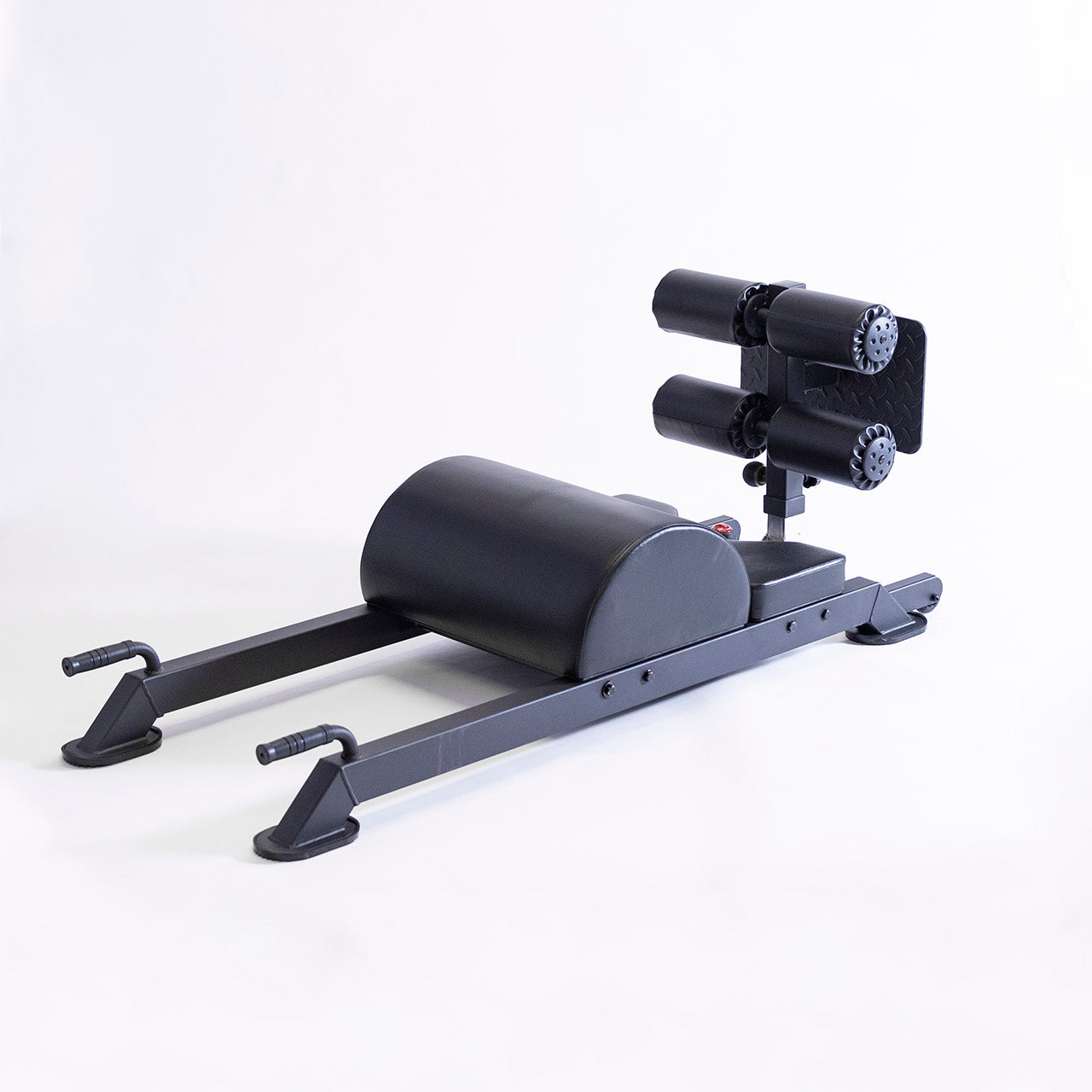
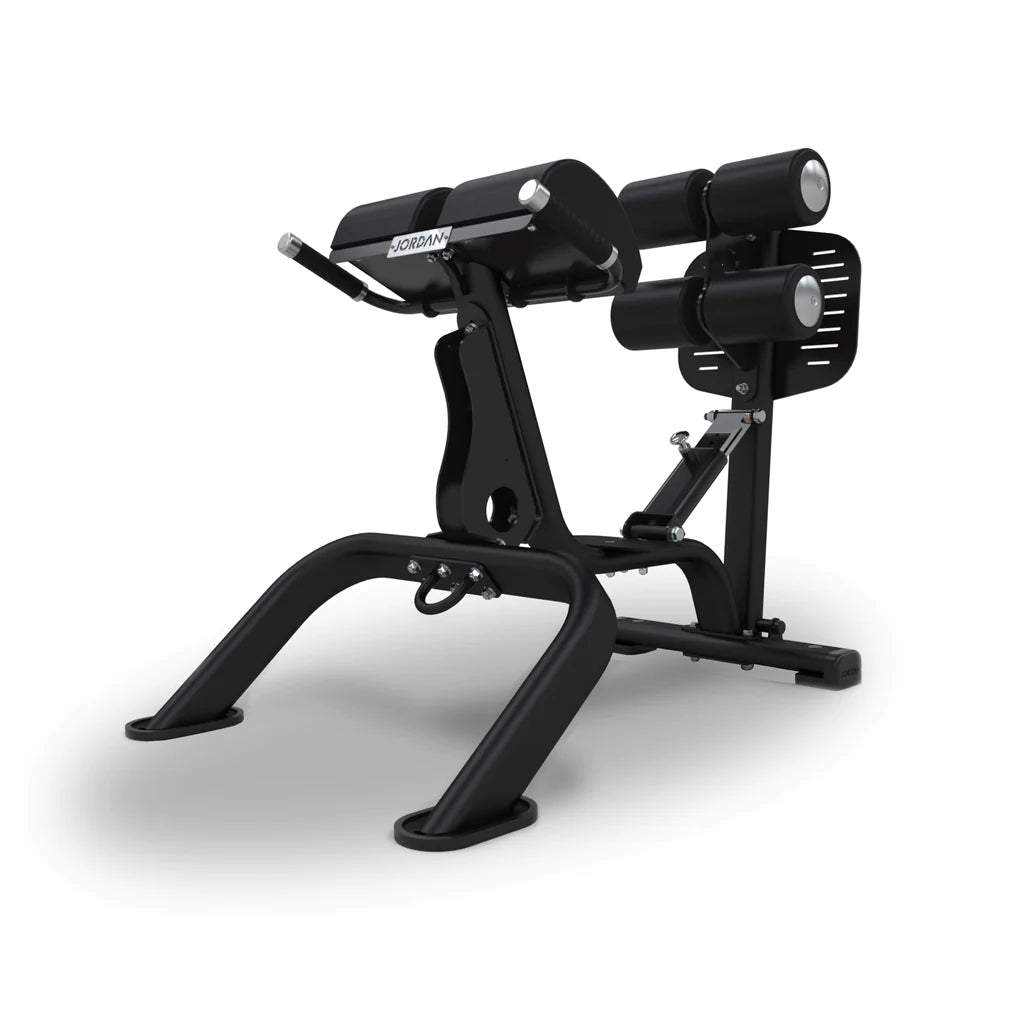
So we know glute ham developers target your hamstrings—especially the semitendinosus and biceps femoris—alongside the gluteus maximus, lower back, calves, and core. Activation is especially high in the posterior chain, providing unique benefits for strength, hypertrophy, and injury resistance
What Muscles does a Glute Ham Developer Work & How.
Hamstrings
- Semitendinosus (very high activation)
- Biceps femoris (important for knee flexion and hip extension)
- Semimembranosus
The GHD machine trains the hamstrings in both their key functions: knee flexion and hip extension, maximizing muscular development.
Gluteus Maximus
Principal hip extensor, especially recruited during the hip extension phase of the glute ham raise.
Erector Spinae (Lower Back)
Provides trunk stabilisation and supports spine extension throughout the movement.
Calves (Gastrocnemius and Soleus)
Help stabilise the ankle and knee throughout the exercise, assisting with full lower limb coordination.
Core (Rectus Abdominis, Obliques, Hip Flexors)
Stabilise the trunk, resist extension forces, and actively engage during variations such as GHD sit-ups.
Gluteus Medius and Minimus
Assist with pelvic and hip stabilisation, especially during dynamic phases or single-leg variations.
Benefits of a Glute Ham Developer
- Posterior Chain Strength - The GHD gym machine targets the glutes, hamstrings, and lower back together, leading to improved raw strength, acceleration power, and athletic capacity. This integrated muscle training supports sprinting, jumping, Olympic lifts, and stabilized hip and knee movement.
- Hamstring Hypertrophy and Injury Prevention - Glute ham raises drive high activation of hamstrings (especially semitendinosus), which builds both muscle size and resilience. Controlled eccentric loading improves injury resilience, especially against strains and tears.
- Glute Development and Hip Extension - The movement pattern recruits the gluteus maximus and medius, supporting powerful hip extension and functional lower body movement. This is key for athletic performance as well as posture and injury prevention.
- Core and Calf Activation - The exercise stabilises the trunk by challenging the erector spinae (lower back), rectus abdominis, and hip flexors. The gastrocnemius (calf) is engaged with ankle dorsiflexion, which supports ankle mobility.
- Functional Strength and Versatility - Movements on GHD transfer well to compound lifts and sport-specific skills. A range of exercises—glute ham raise, back extension, sit-ups—can be performed, allowing scalable intensity and progression.
How to Use Glute Ham Developers
- Setup: Set the hip pad so knees are just below or at the edge. Secure feet and ankles at the footplate and pads.
- Position: Start tall, knees at the pad edge, torso vertical.
- Execution: Lower upper body under control until torso is parallel to the ground (eccentric hamstring, glute, and back activation). Contract glutes and hamstrings to raise yourself back to the starting position (concentric phase). Control the movement—avoid swinging or excessive spinal arching.
- Progression: Use bodyweight, then weighted movements, band assistance, or eccentric-only variants as needed to match strength level.
Buying Tips for a Glute Ham Developer
- Adjustability: Look for wide pad, ankle, and footplate adjustments to fit various limb lengths and body sizes.
- Stability: Sturdy, heavy frame construction for commercial durability; base with anti-slip feet recommended.
- Padding and Comfort: High-density foam pads and secure ankle rollers for extended use and injury prevention.
- Versatility: Machines supporting GHRs, back extensions, and sit-ups maximize value for space and budget.
- Footprint: Check dimensions/space vs. planned gym layout; commercial GHDs are sizeable and heavy.
- Brand and Warranty: Commercial brands (Exigo, REP, Primal, Watson, Hammer Strength) offer multi-year warranties and solid after-sales support; choose robust welds and bearing assemblies for longevity.