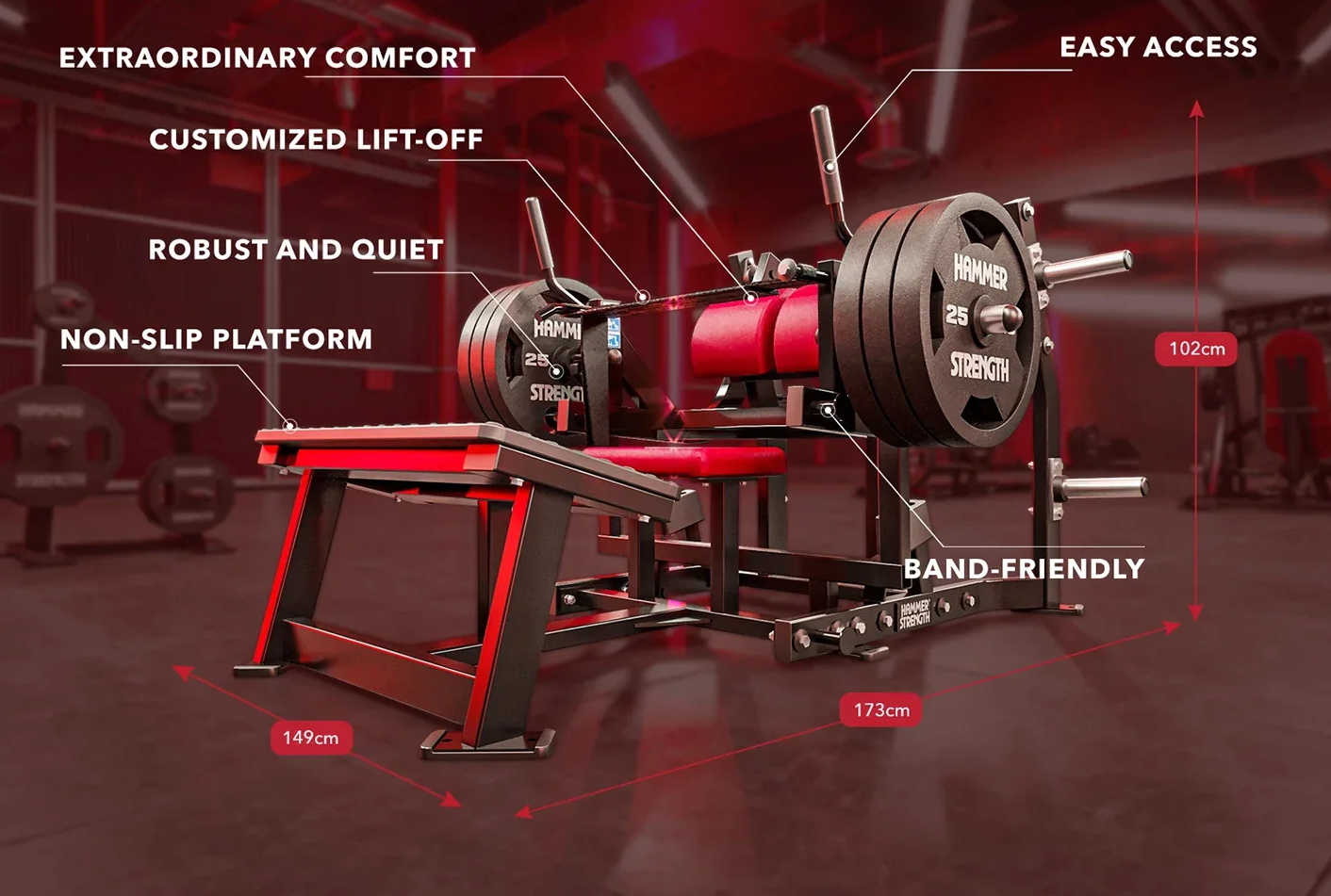
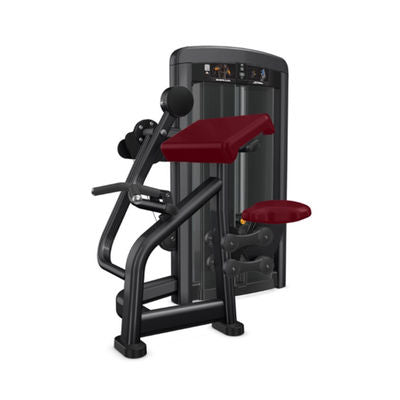
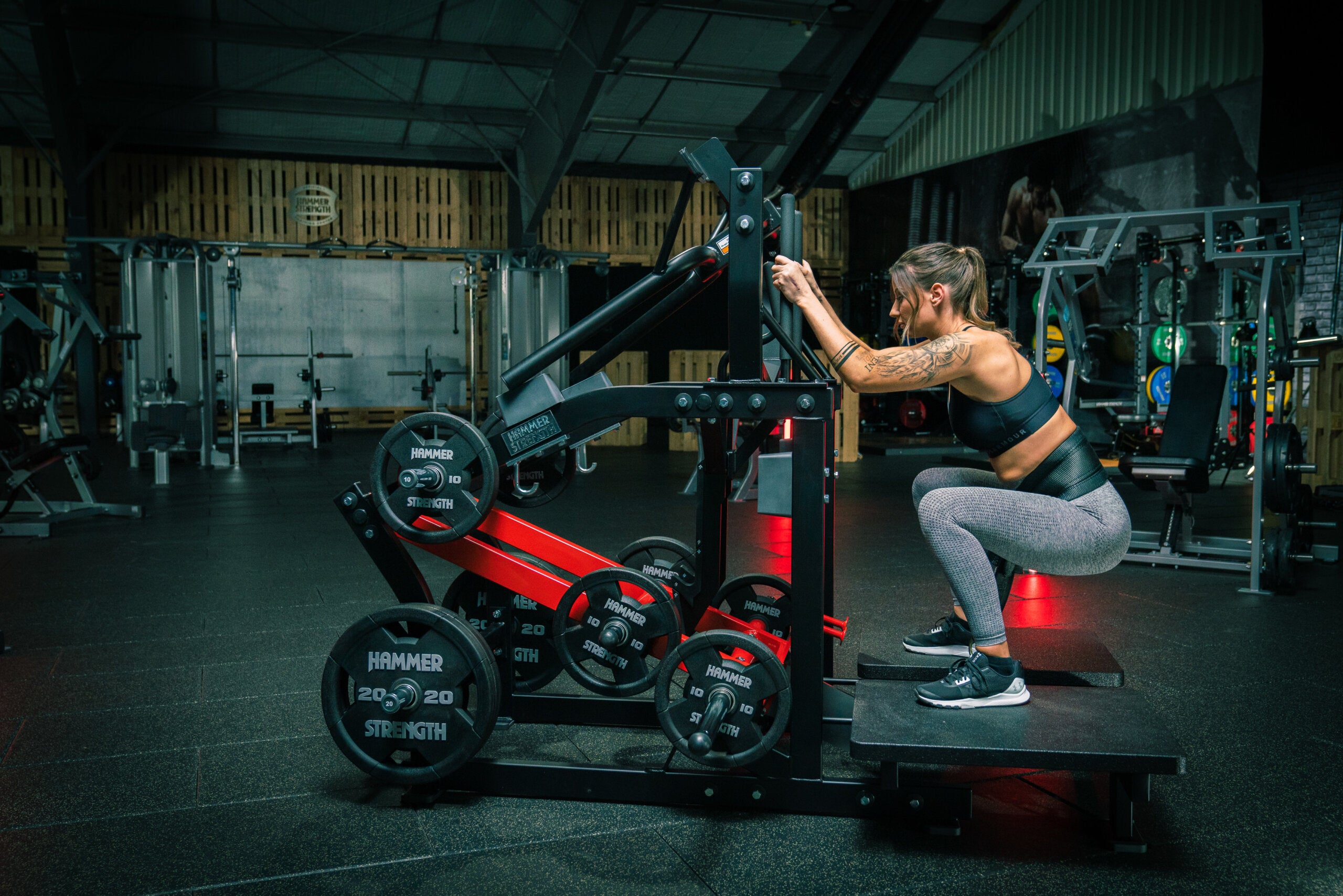
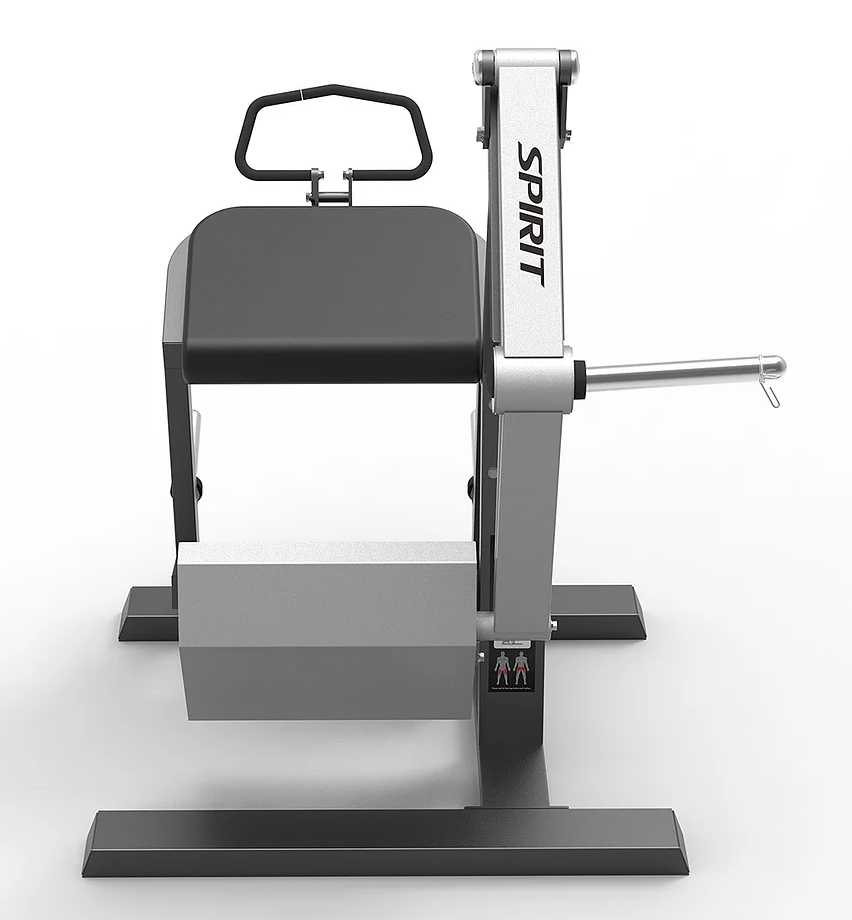
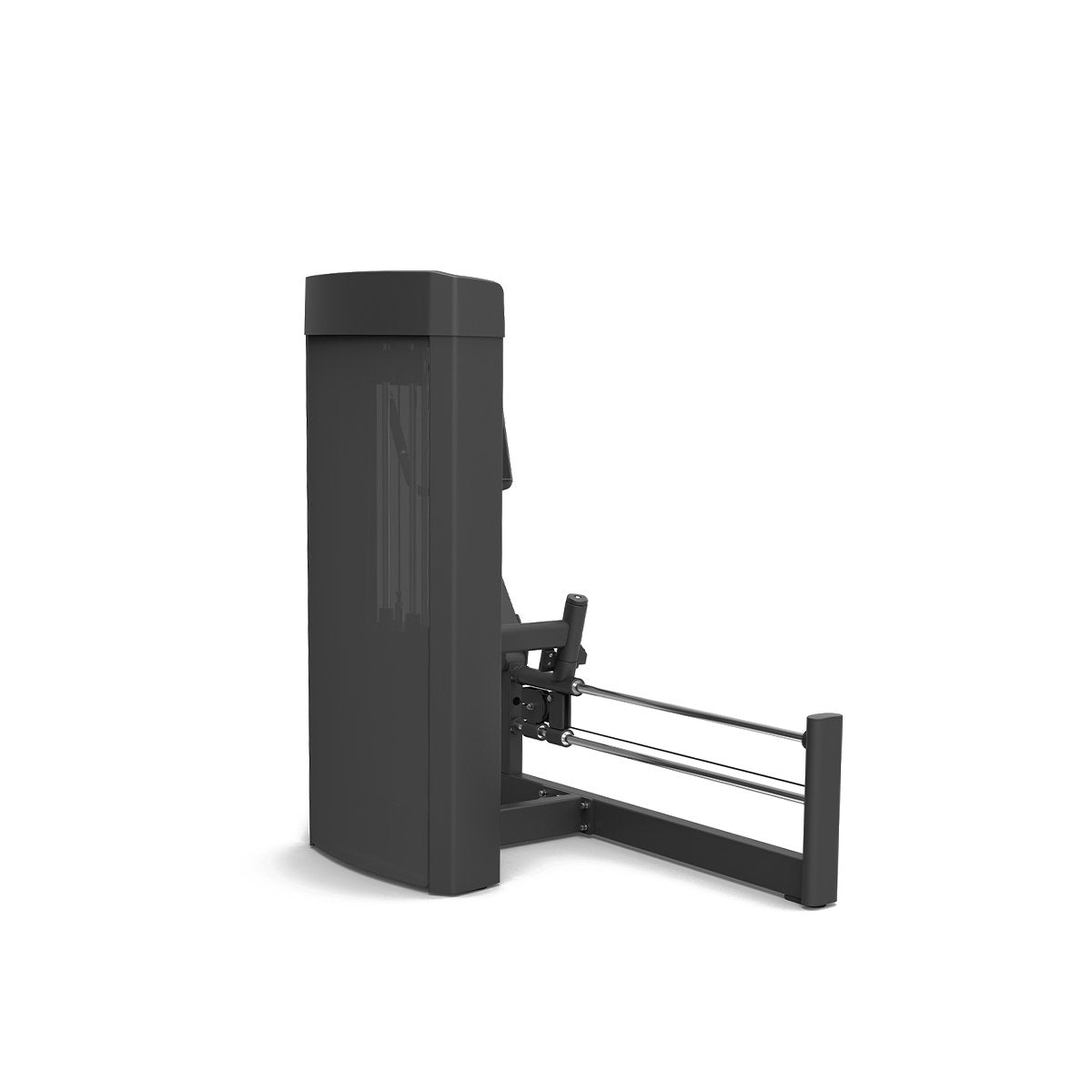
Training your glutes has become increasing popular and has numerous benefits , Glute kickback machines are purpose-built strength training equipment aimed at targeting and strengthening the gluteal muscles. Their main role is to enable controlled hip extension movements under resistance, promoting effective muscle development.
Muscles Used with a Glute Kickback machine
- Gluteus Maximus: Primary mover, responsible for hip extension during the kickback motion.
- Gluteus Medius and Minimus: Assist with stabilization and abduction.
- Hamstrings (Biceps Femoris, Semitendinosus, Semimembranosus): Secondary activation as hip extensors, especially on full extension.
- Erector Spinae and Core: Stabilize the torso and pelvis during movement.
How to Use a Glute Kickback Machine
- Adjust the pad or platform so that it aligns with the working leg’s thigh or foot, depending on machine design.
- Set the desired resistance or weight stack.
- Brace the torso, grip the handles, and plant the supporting leg firmly on the ground.
- Place the active leg on the footplate or pad. Begin with the hip and knee flexed.
- Drive the foot or thigh pad backward in a controlled arc, fully extending the hip while keeping the knee bent at approximately 90 degrees (machine style may vary).
- Squeeze the glutes at the top, then return slowly to starting position without swinging or arching the back.
- Perform the desired number of reps and switch legs as needed.
Common Advice: Maintain a neutral spine, avoid twisting the hips, and keep the motion smooth and controlled.
Benefits of Glute Kickback Machines
Glute kickback machines offer several unique benefits for both muscle development and functional performance. These machines are frequently in strength and rehabilitation settings for their precise glute targeting and user-friendly design.
- Isolated Glute Activation - Glute kickback machines are specifically engineered to focus on the gluteus maximus while minimizing involvement of the hamstrings and lower back. This results in greater muscle activation for the glutes compared to many compound movements.
- Unilateral Training -The kickback motion is performed one leg at a time, which is ideal for correcting muscular imbalances between the right and left glute. This promotes balanced strength and symmetry in the lower body.
- Improved Hip Extension and Mobility - The movement pattern enhances hip extension strength and flexibility—critical for athletic tasks (sprinting, jumping) and daily movements (standing, climbing stairs).
- Core and Stabiliser Engagement - While isolating the glute, the kickback machine also lightly recruits the core and hip stabilizers to maintain balance and correct posture during the exercise.
- Lower Back Friendly - Because the user’s torso is supported and the motion is guided, there is less risk of lower back strain compared to free weight alternatives like hip thrusts or deadlifts.
- Beginner Friendly and Safe Progressive Overload - With clear set-up, guided resistance, and minimal balance requirement, glute kickback machines are accessible to beginners, those with limited mobility, or individuals in rehab phases. Resistance is easily adjusted for steady progression.
- Effective Accessory or Finisher Exercise - These machines are valuable as activation tools during warm-ups or as burnout finishers after compound lifts (squats, deadlifts), helping maximize glute development by fatiguing all available muscle fibers.
- Potential for Back Pain Relief - Stronger, properly activated glutes contribute to pelvic stability and can help alleviate some types of low back pain, further supporting their inclusion in balanced lower body routines.
Buying Tips for Glute Kickback Machine
- Check adjustability: Look for machines with pad/footplate adjustments for different user heights and limb lengths.
- Range of motion: Generally as a standing glute kickback machine which allow a full, natural hip extension without compromising lower back positioning.
- Smooth resistance: Test for smooth cable or weight stack motion, or select plate-loaded units with low friction.
- Foot placement options: Prefer machines with ergonomic foot/leg pads catering to various shoes and foot positions.
- Space and footprint: Measure the intended area, as glute kickback machines generally require more space than single-joint selectorised machines.
- Build quality: Opt for commercial-grade steel construction and grippy, high-density pads for durability.
- Brand reputation: Consider established manufacturers (e.g., Skelcore, Exigo, Spirit, Life Fitness, Matrix, Primal, Watson) and check for warranties and after-sales support.
- Versatility: Some dual-use cable or lever machines offer glute kickback among other leg or cable-based exercises, an option for space-saving studios.
- Budget: Commercial glute kickbacks machine often cost significantly more than home-grade models but offer greater longevity and user weight capacity.