Leg Curl Machines Banner

Leg Curl Machines

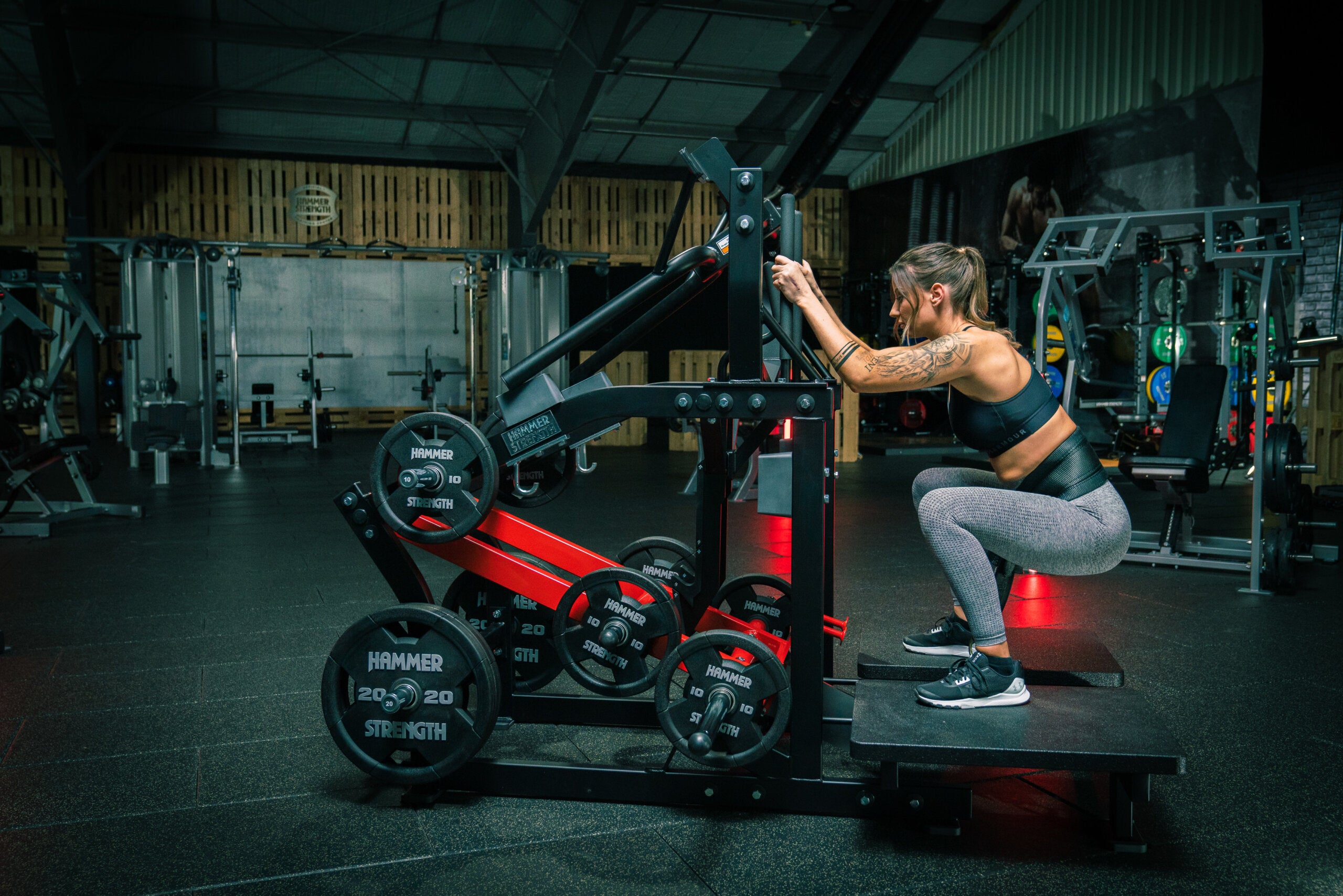
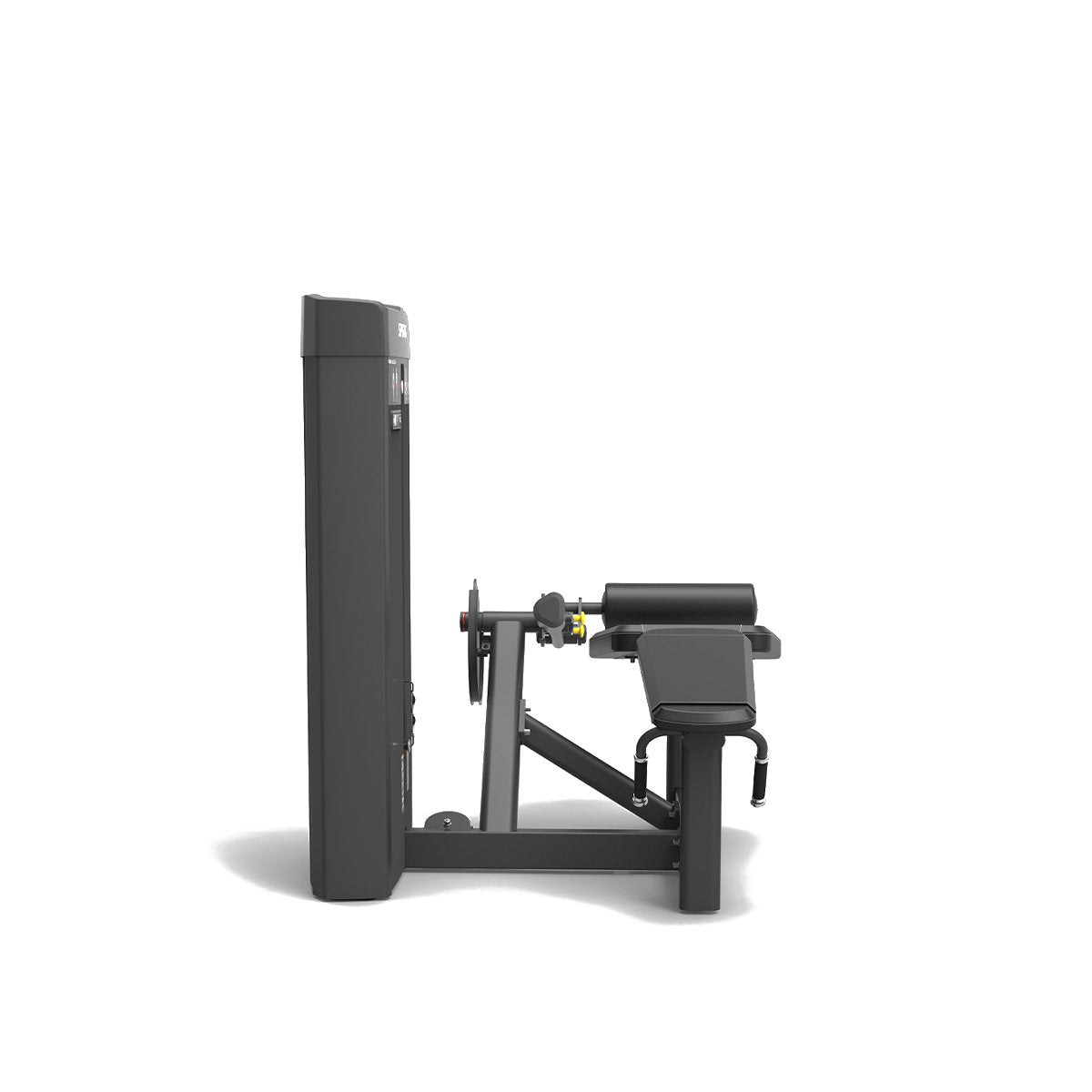
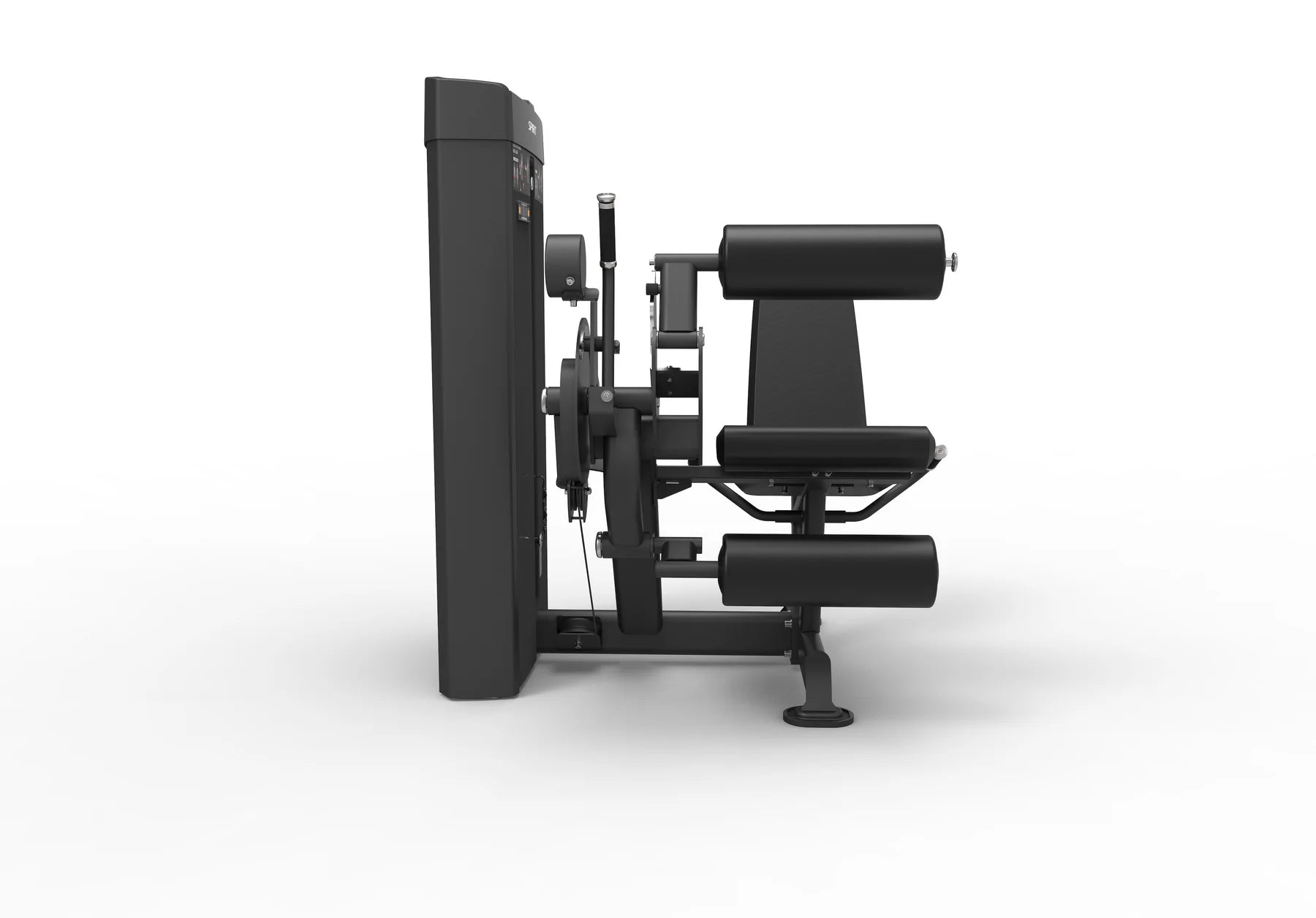
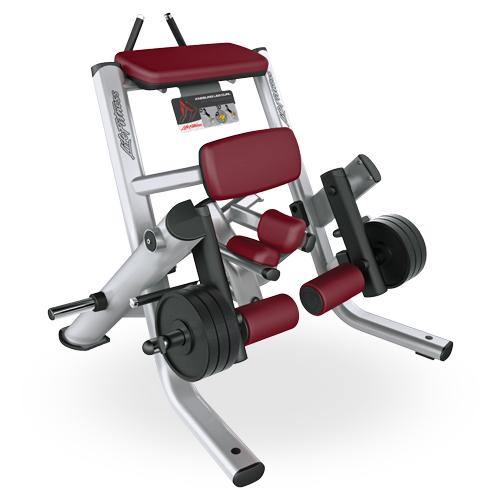
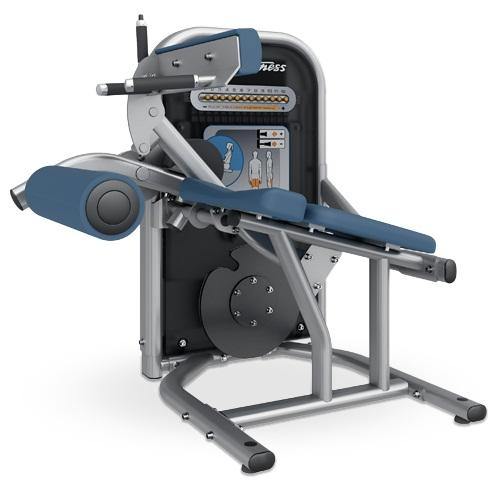
The leg curl machine is a popular piece of leg gym equipment,  which are the perfect piece of equipment for those looking to isolate the hamstring muscles and build their strength. We offer many different types of leg curl machines, from standing, seated, lying (prone) & leg curl machines also including dual-usage models. Upgrade the strength training section in your gym and explore our leg curl machine range below including brands such as Hammer Strength, Matrix, Life Fitness, Primal, Spirit, Watson, Exigo & Life Fitness.

The leg curl machine is a popular piece of leg gym equipment,  which are the perfect piece of equipment for those looking to isolate the hamstring muscles and build their strength. We offer many different types of leg curl machines, from standing, seated, lying (prone) & leg curl machines also including dual-usage models. Upgrade the strength training section in your gym and explore our leg curl machine range below including brands such as Hammer Strength, Matrix, Life Fitness, Primal, Spirit, Watson, Exigo & Life Fitness.

The leg curl machine is specifically designed for hamstring development and knee flexion, with several styles each offering unique angles of muscle activation and practicality. This machine is a staple for balanced leg strength, injury prevention, and athletic development.

Styles of Leg Curl Machine

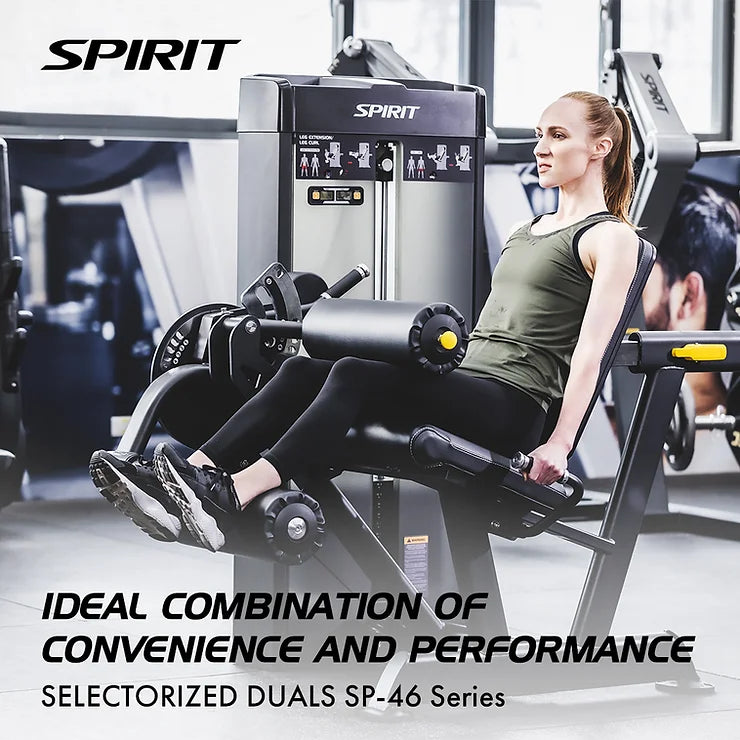
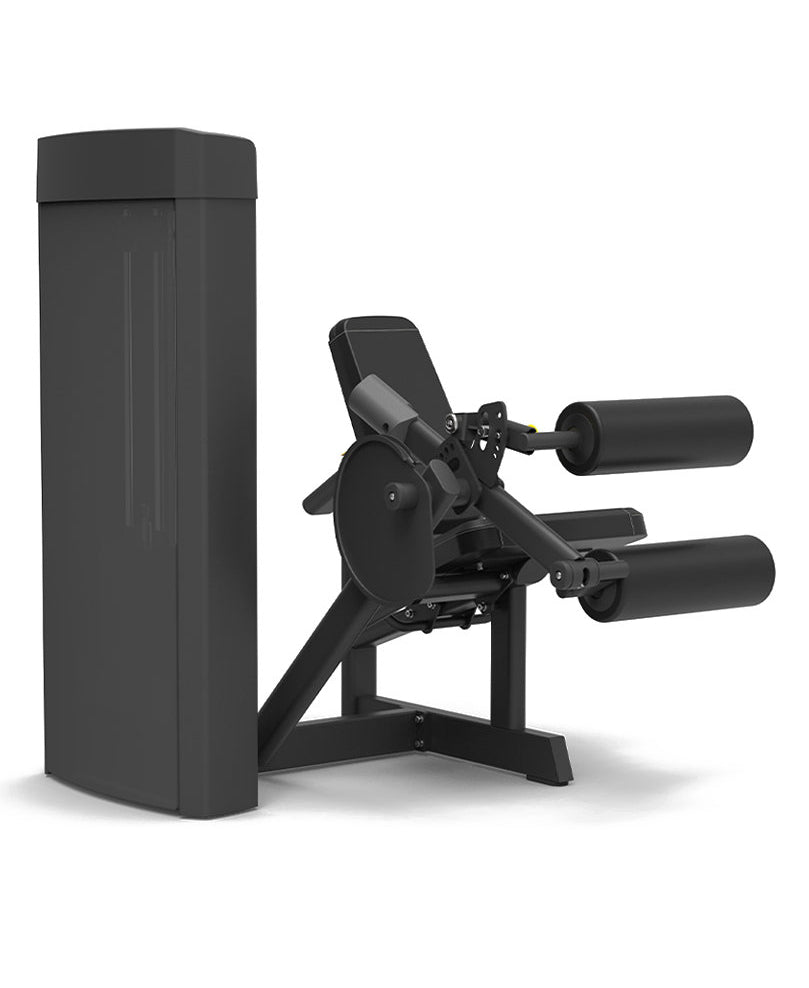
Seated Leg Curl Machine : User sits upright; legs curl underneath. This style supports the back and is beginner-friendly. It is effective for targeting overall hamstring muscle volume and is well suited for those with lower back concerns or restricted hip extension.

Lying (Prone) Leg Curl Machine : User lies face down, curling legs upward against resistance. This variation offers a strong direct hamstring contraction and can provide a more intense stretch at the start of the movement.

Standing Leg Curl Machine: Usually a unilateral movement; user stands and curls one leg at a time. This style is excellent for correcting muscular imbalances and increasing mind-muscle connection, commonly used for rehab and advanced training.

Some machines can be dual-function, allowing both leg extensions and curls, which maximises versatility, while dedicated machines may provide greater focus and finer adjustments for specialised training.

Muscles Used with a Leg Curl Machine

  • Primary Muscles Used: Hamstrings (biceps femoris, semitendinosus, semimembranosus)
  • Secondary Muscles Used: Calves (gastrocnemius), glutes engaged to stabilize the pelvis (slight involvement, especially in prone curl variations)

Benefits of Using a Leg Curl Machine

  • Hamstring Strength and Mass: A leg curls machine Isolate and stimulates the hamstrings for growth and improved leg strength.
  • Knee Health and Injury Prevention: Reinforces knee flexor strength, crucial for athletic performance and reducing risk of strains and tears.
  • Balance and Symmetry: Assists in balancing hamstring to quadriceps strength ratio, helping prevent common muscle imbalances in athletes and strength trainees.
  • Joint-Friendly: Fixed movement path and controlled loading make it accessible and safe for most users, including those in rehabilitation.

How to Use Leg Curl Machines

  1. Adjust the Machine: Set the backrest, lever arm, and ankle pad to align knees with the machine pivot point and position the pad just above the heels or ankles.
  2. Position Yourself: Sit or lie in the machine depending on the style, keeping thighs flat against pads.
  3. Movement: Contract the hamstrings to curl the legs, bringing the pad as close to the glutes as possible while maintaining control.
  4. Controlled Descent: Lower the weight slowly to maximize time under tension and avoid jerking or excessive hip movement.
  5. Variation: For unilateral focus, use single-leg curls with reduced weight.

Buying Ideas for a Leg Curl Machine

  • Type Selection: Choose between seated, lying, standing, or dual-function machines based on training goals, space, and user demographics.
  • Adjustability: Prioritise machines with easily adjustable pads and range-of-motion settings to fit a wide range of user sizes and flexibility.
  • Resistance System: Decide between plate-loaded (compact, budget-friendly) and selectorised (pin-stack, quick weight changes) based on usage volume and convenience.
  • Build Quality: Opt for robust frame construction, high-density foam padding, non-slip upholstery, and reliable motion mechanisms.
  • Smoothness and Range: Test for smooth resistance and full range of motion; industrial bearings and quality linkage systems mean better longevity and user experience.
  • Commercial vs Home Use: For heavy-use gyms, invest in commercial-grade equipment; for home gyms, footprint and storage options may also be important.