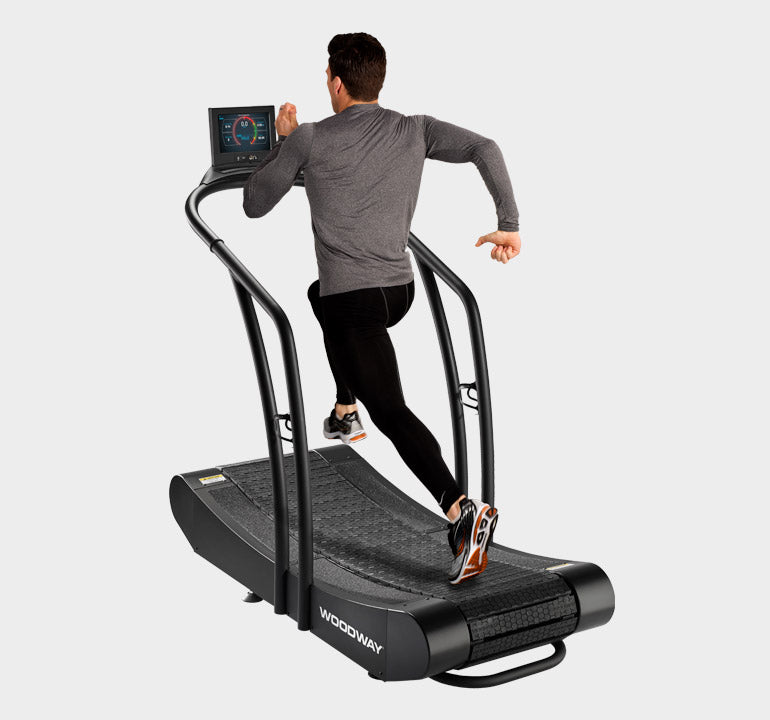
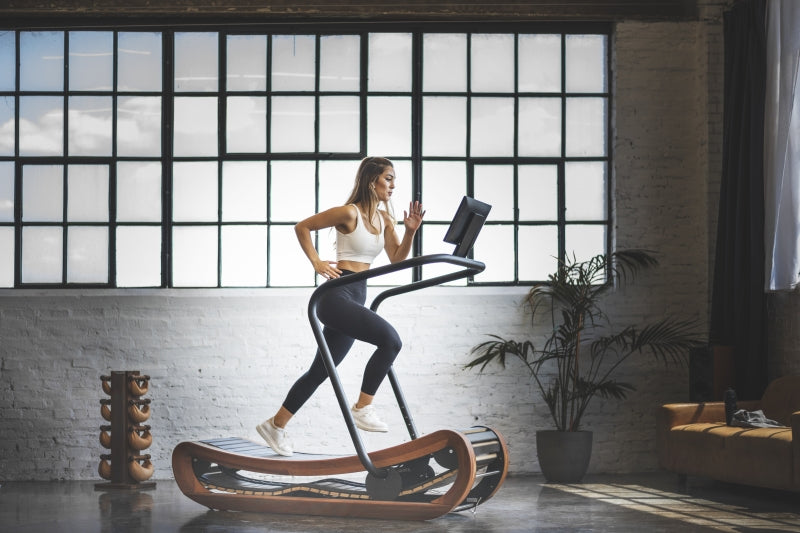
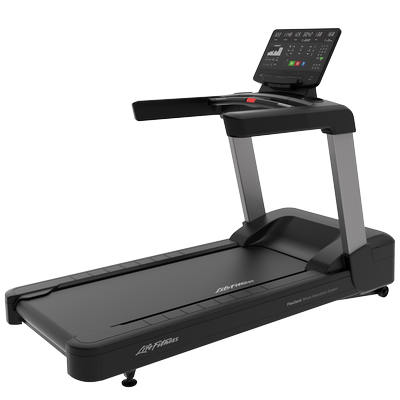
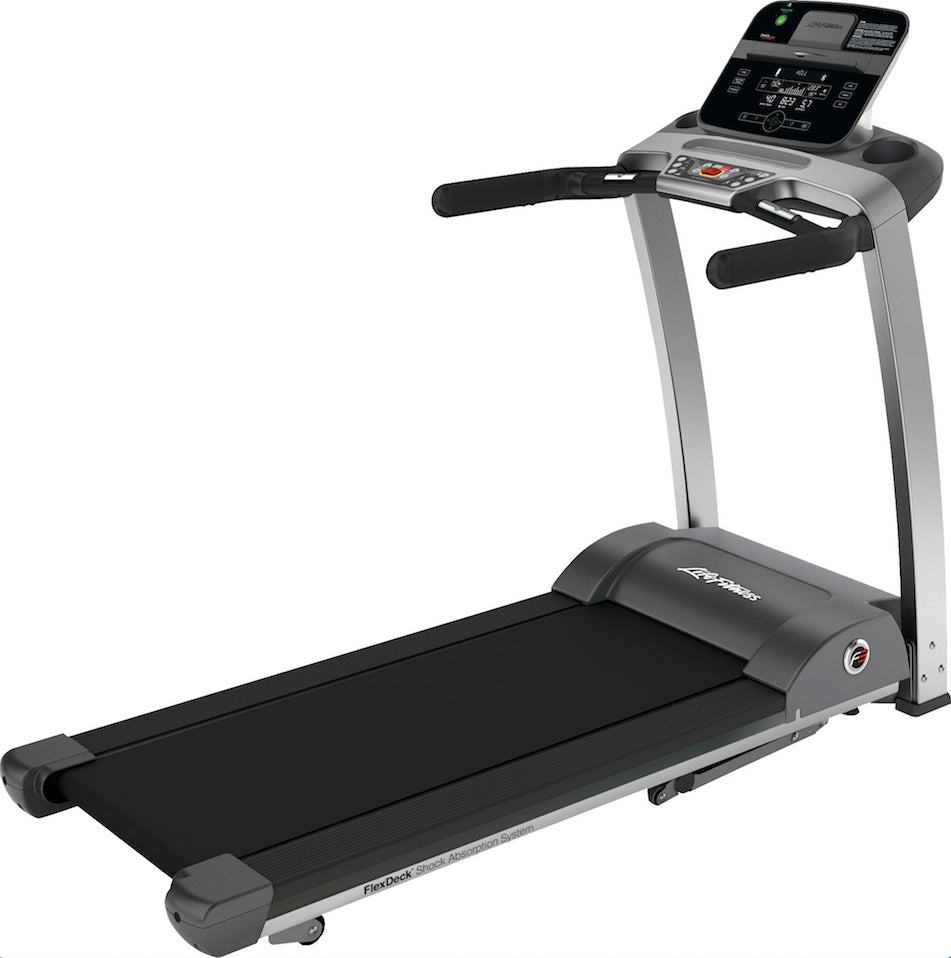
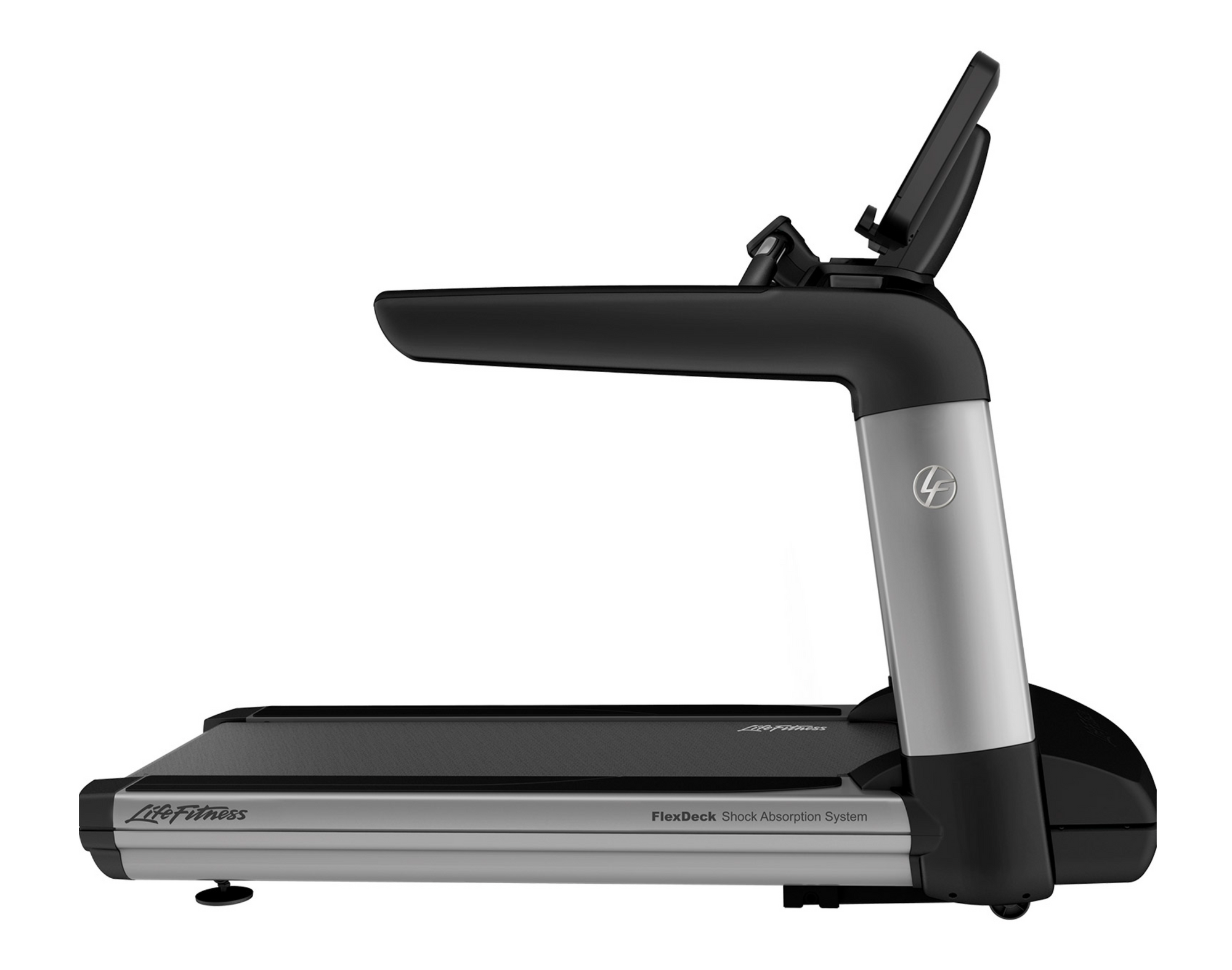
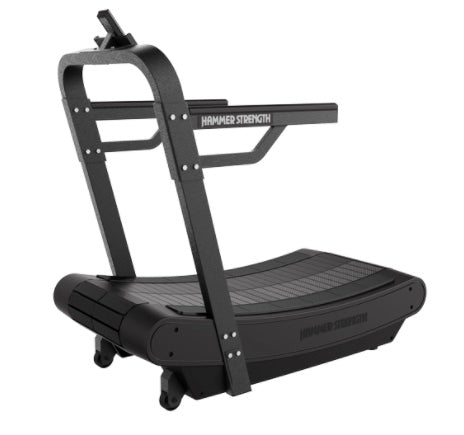
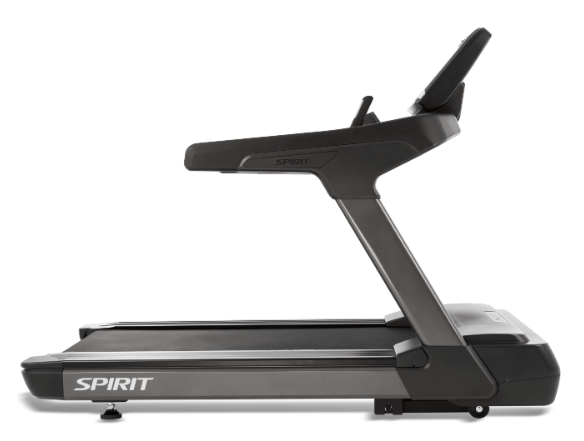
Key Features for Non Folding Running Machines
- Motor Power: Choose at least a 3.0 HP continuous-duty motor for durability and smooth operation, especially if you'll be running or using the treadmill for long periods. For heavy use or commercial settings, motors rated 4.0–5.0 HP (preferably AC) provide superior longevity and consistent performance.
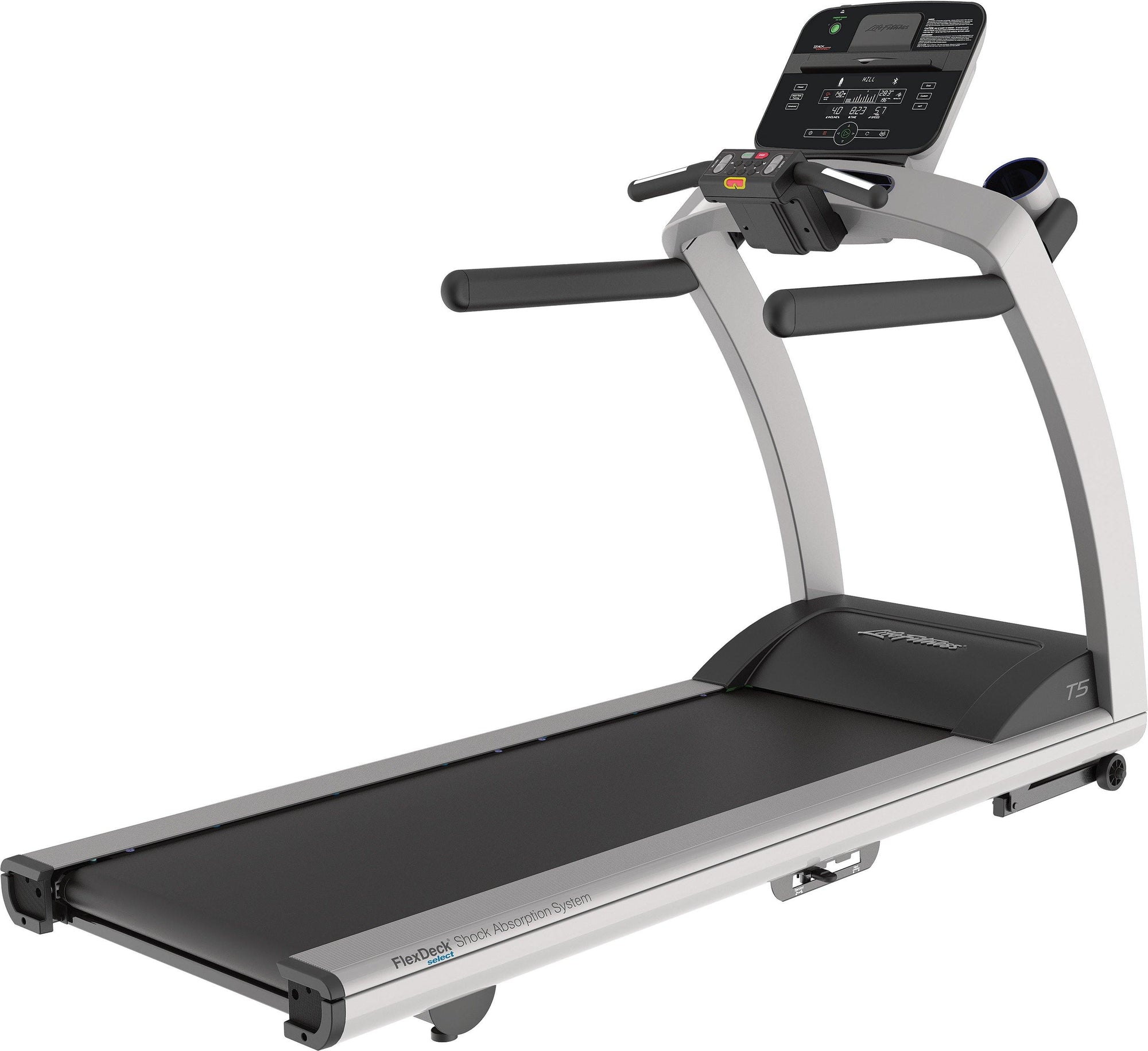
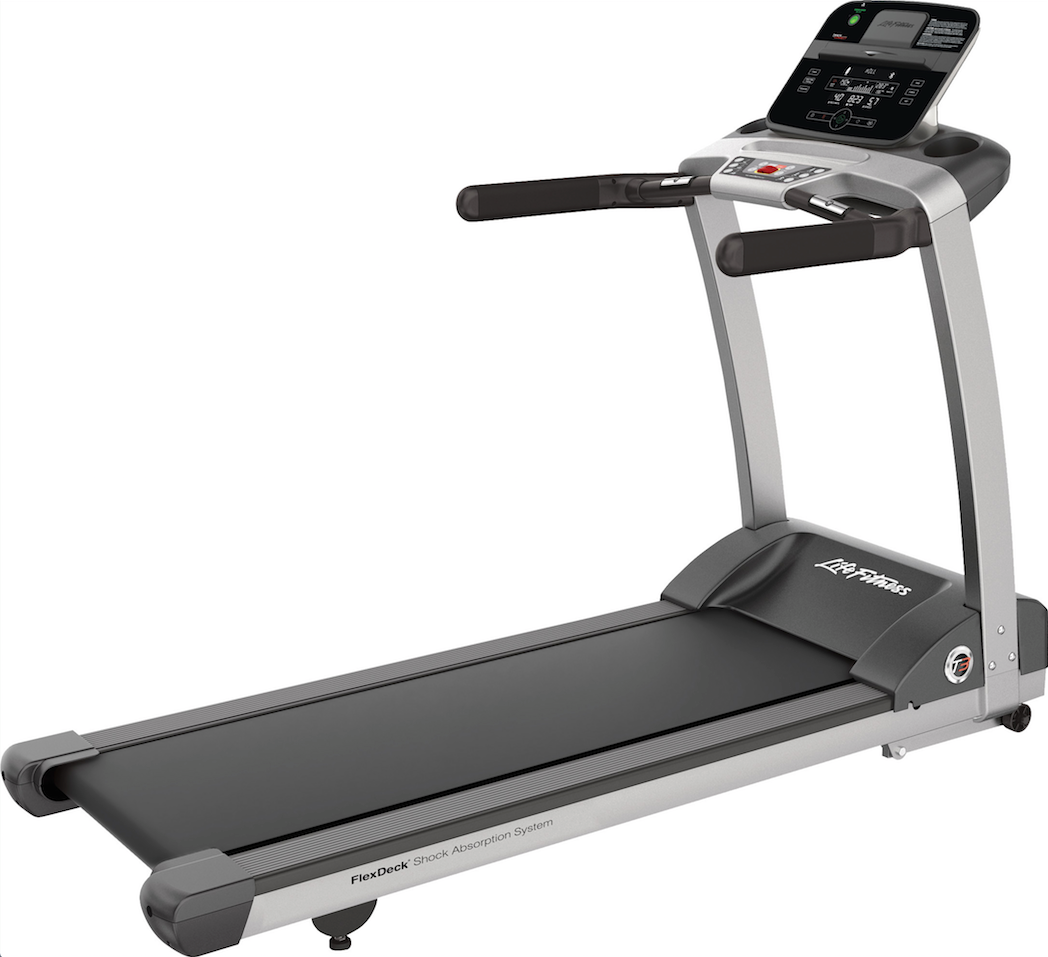
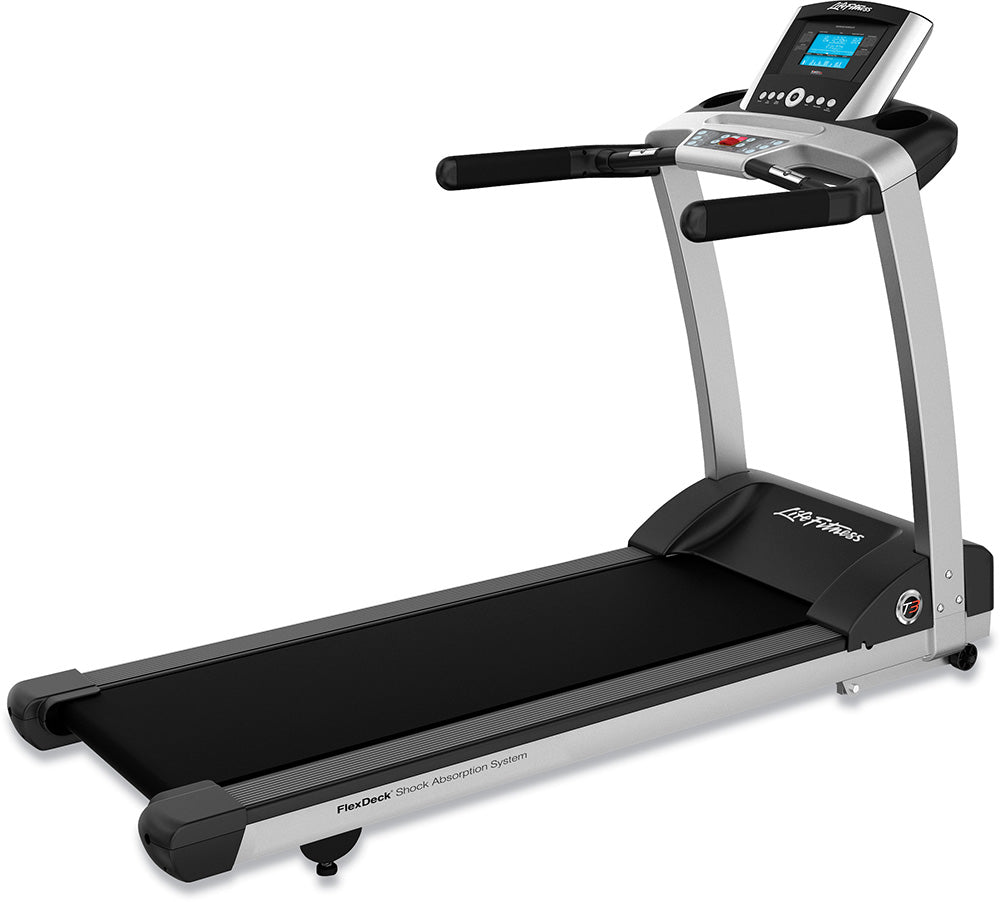
- Running Surface: Look for a minimum belt size of 20" wide x 60" long to accommodate various user heights and stride lengths. Consider a slat running surface for shock absorption and long-term durability or standard belt for a smooth, familiar feel.
- Frame Strength: Non-folding treadmills typically offer stronger frames, higher max user weights (350–400 lbs), and increased overall stability. Steel frames with reinforced plastic are preferred for heavy-duty use.
- Deck Cushioning: Quality cushioning reduces joint impact and improves the running experience. Commercial-grade or polymer systems offer the best ride for both walkers and runners.
- Incline/Decline Options: Many non-folding models provide a wide range of inclines and sometimes declines, ideal for varied training. Confirm incline range (typically 0–15%) and motorized controls for commercial reliability.
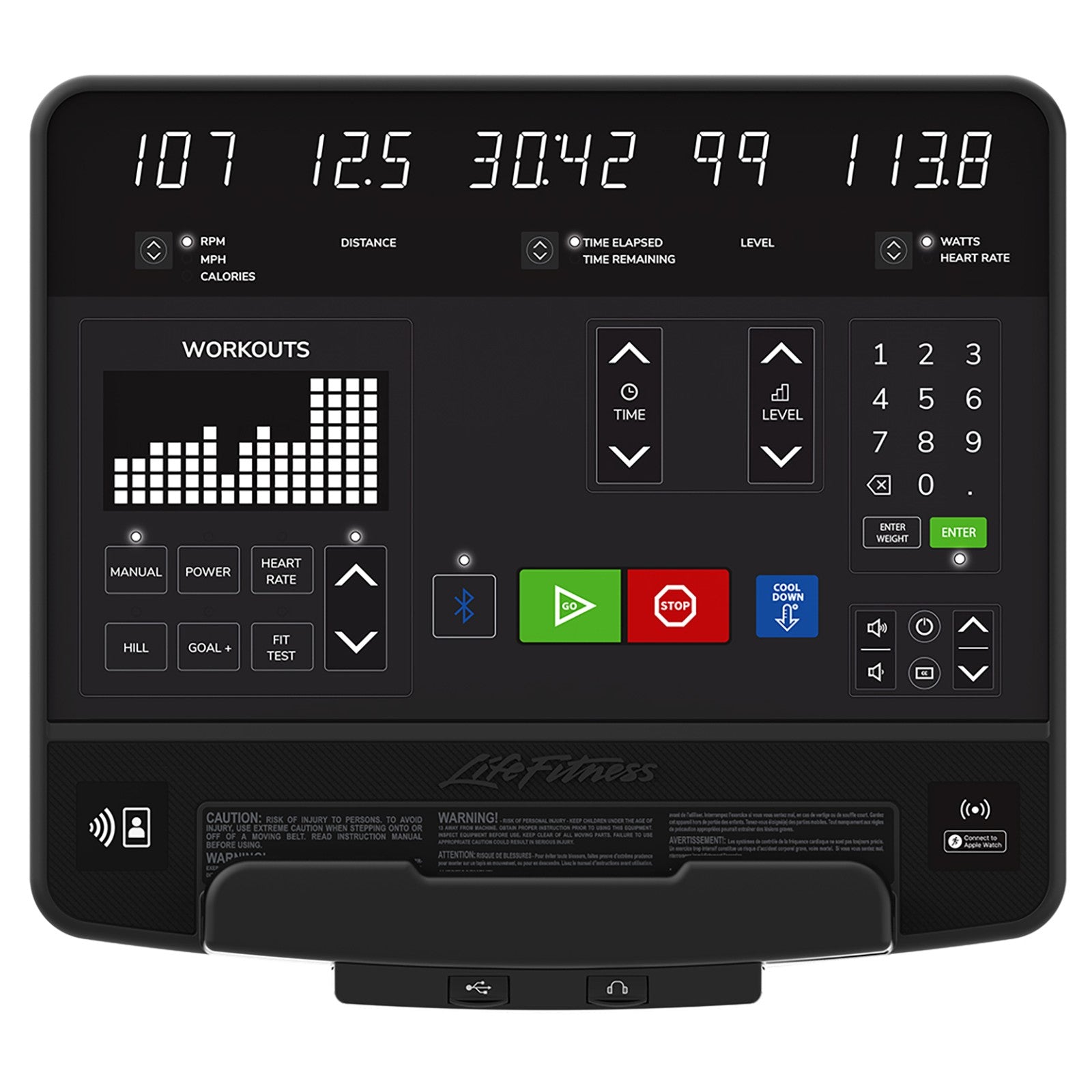
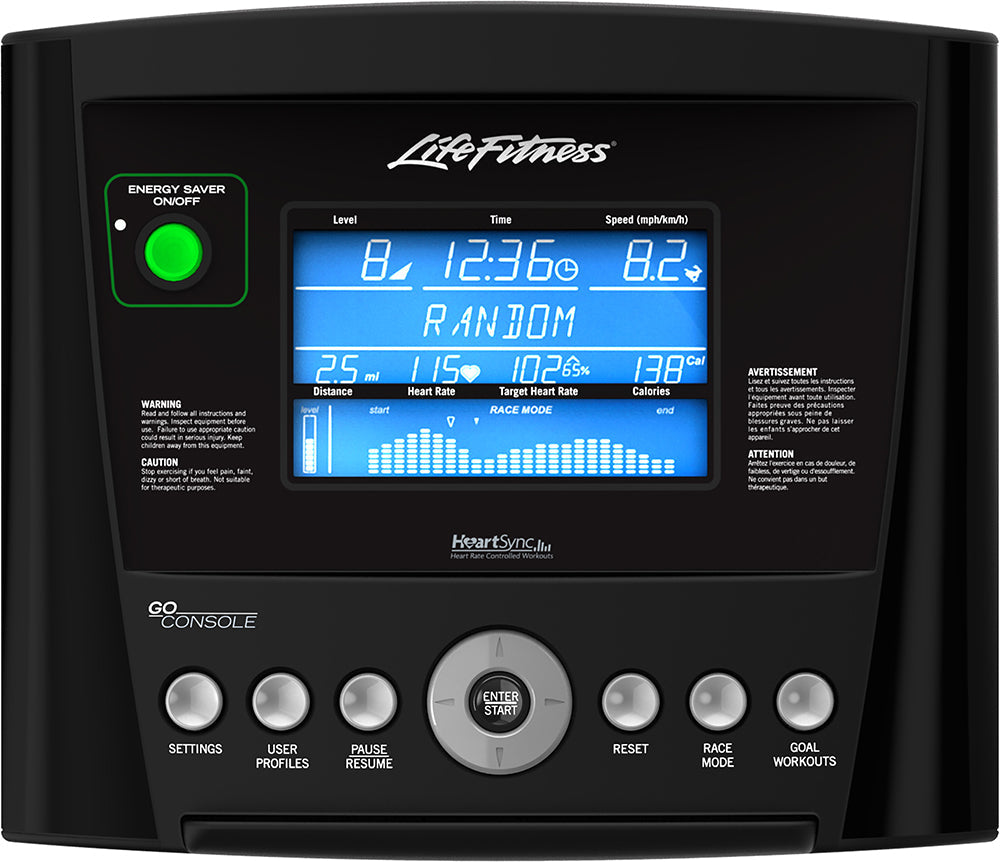
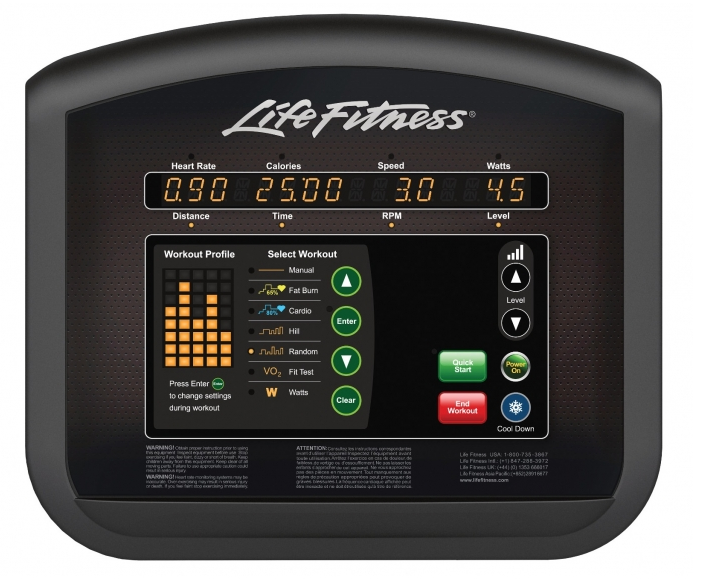
- Console and Connectivity: Look for consoles with easy navigation, preset workouts, and entertainment features like Bluetooth, Wi-Fi, screen mirroring, and fitness app compatibility. High-end models may offer streaming, heart-rate sensors, and advanced data feedback.
- Warranty: Commercial models should have robust warranties: Lifetime on frame/motor, 5+ years on belt and electronics, and one year for labor. This protects your investment and ensures longevity.
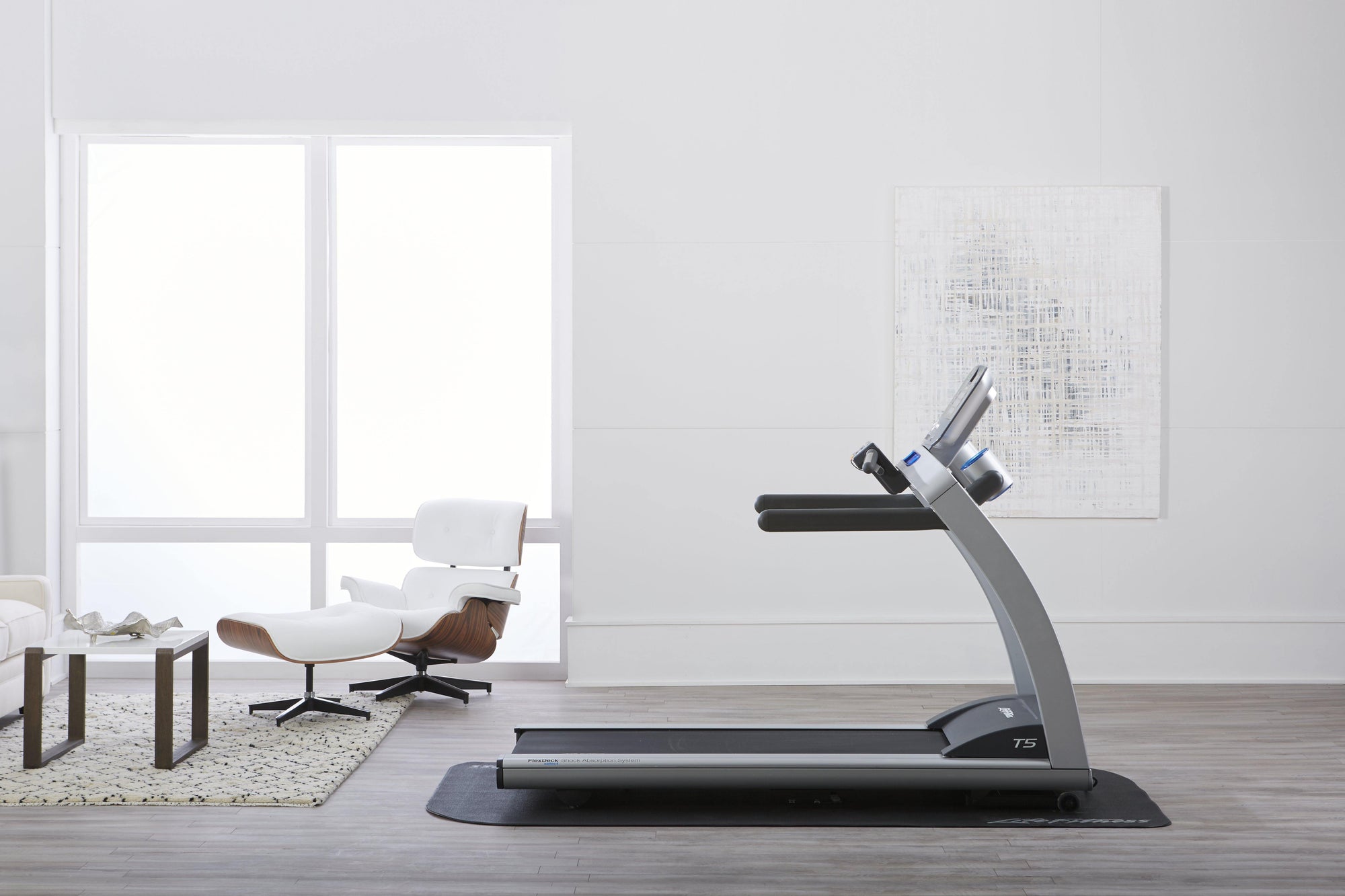
- Footprint and Space Requirements: Non-folding treadmills are large (Typical footprint: 60–80" L x 30–40" W x 55–65" H). Measure your space and ensure access for delivery and maintenance.
Non Folding Treadmill Pro's & Cons
Non-folding treadmills provide significant benefits for durability and performance but come with important drawbacks, especially regarding space and flexibility. Here’s are some of our pros and cons to consider:-
Pros
- High Stability: Non-folding treadmills have a fixed, robust frame that provides excellent stability. There is minimal wobble, even during sprints or intense workouts, which leads to a safer and more professional feel for runners and heavier users.
- Superior Durability: With fewer moving parts (no folding hinges or joints), these treadmills are more durable and can withstand heavy, prolonged use—making them ideal for commercial gyms and dedicated home training spaces.
- Larger Running Surface: Most non-folding models offer a longer and wider deck, accommodating taller users, longer strides, and sprinting with ease.
- Heavier Load Capacity: They typically support higher maximum user weights and are more reliable for users of all sizes.
- Less Maintenance: The simple frame means fewer mechanical issues, reducing the need for frequent maintenance or repairs.
- Better Motor and Performance: Non-folding treadmills are equipped with stronger motors and advanced features, suitable for rigorous interval or endurance training.
- Permanent Placement: Once set up, they tend to stay in place, making them well-suited to a permanent gym setting.
Cons
- Large Footprint: static treadmills require more dedicated space. They can’t be folded or stored away, so they’re not suitable for small rooms or multi-use spaces.
- Difficult to Move: These machines are heavy and can be challenging to reposition or relocate, especially in homes without ground-level access.
- Higher Initial Cost: Non-folding designs and heavy-duty construction usually mean a higher purchase price compared to entry-level folding models.
- Harder to Clean Underneath: The large, fixed frame means dust—or debris—can build up underneath and requires effort to move and clean.
- Not Suited for Temporary Setups: They’re best for areas where the treadmill can remain in place and not for use in rooms where you frequently rearrange or need flexibility.
- Potential Comfort Issues: Lower-end non-folding machines may have firmer, less cushioned decks compared to some premium folding treadmills focused on home comfort.
Non-folding treadmills excel in stability, durability, and high-intensity training support but they need a permanent space commitment, ideal for larger home gyms or commercial gym environments.
Frequently Asked Questions (FAQs) about non-folding treadmills,
What Is a Non-Folding Treadmill?
Non-folding treadmills are fixed-frame machines that do not fold up for storage. They typically have sturdier, heavier frames designed for permanent placement in gyms or home settings.
Are Non-Folding Treadmills More Durable Than Folding Ones?
They can be, fixed frame with fewer moving parts makes non-folding treadmills more durable and stable, suitable for high-speed running and heavy usage.
Do Non-Folding Treadmills Take Up More Space?
Yes. They generally have a larger footprint since they do not fold, requiring a dedicated area that can accommodate their size and weight.
Can You Move a Non-Folding Treadmill Easily?
No. Non-folding treadmills are heavier, making relocation difficult more difficult.
Who Are Non-Folding Treadmills Best For?
Ideal for commercial gyms, or dedicated home gyms where space is not a constraint and high performance and durability are priorities.
Are Non-Folding Treadmills More Expensive?
Generally, yes. The robust construction and in most cases commercial-grade components usually place non-folding treadmills at a higher price level compared to folding models.