Seated Row Machines Banner

Seated Row Machines

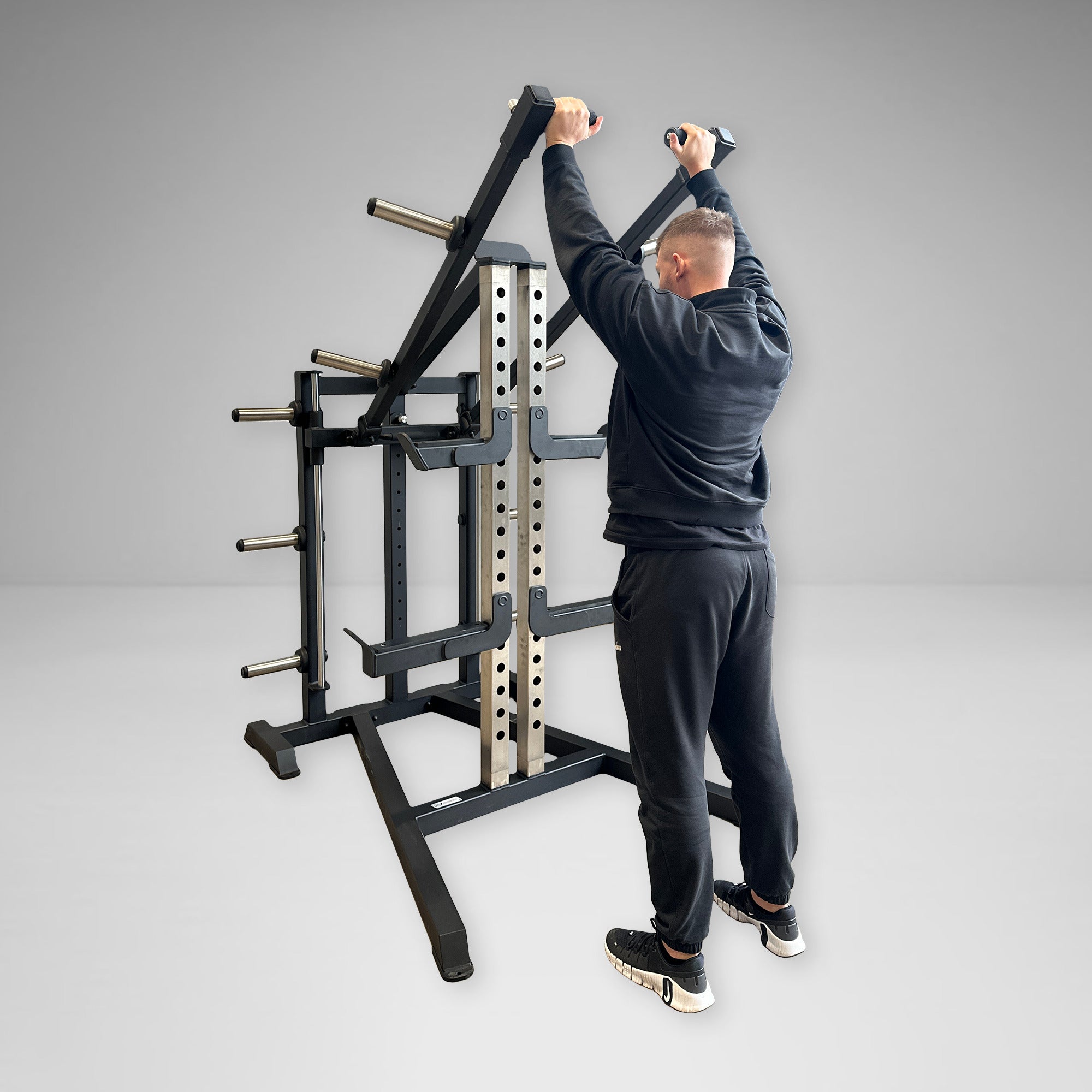
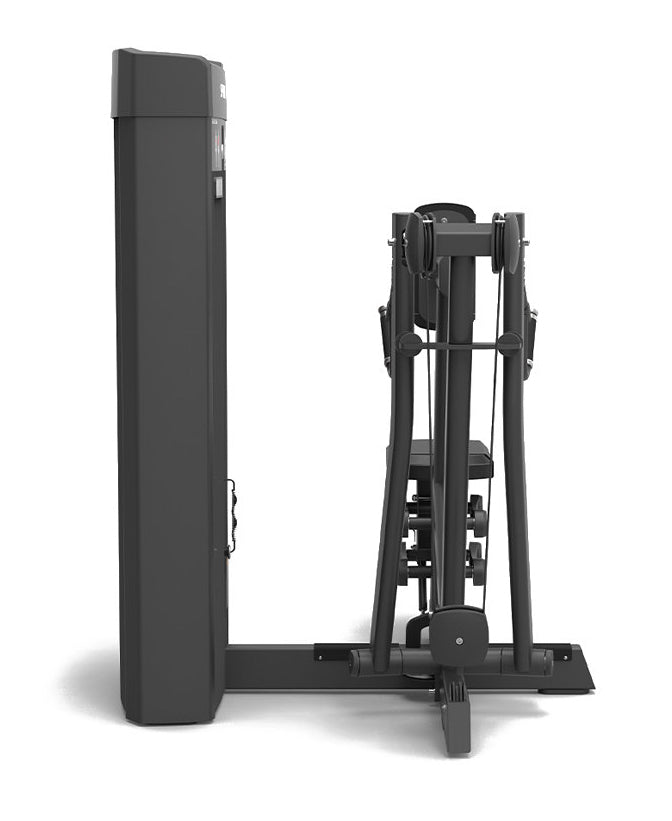
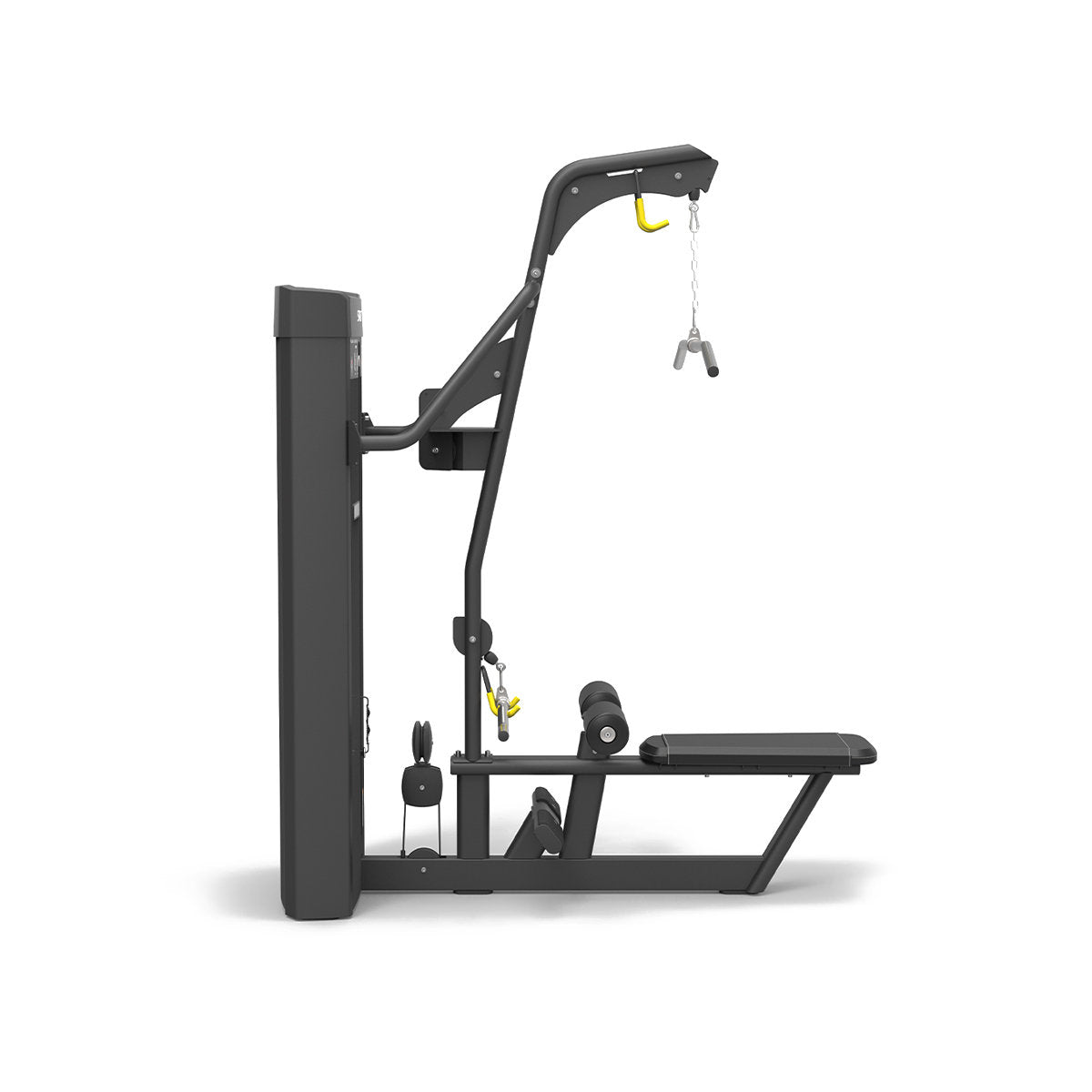
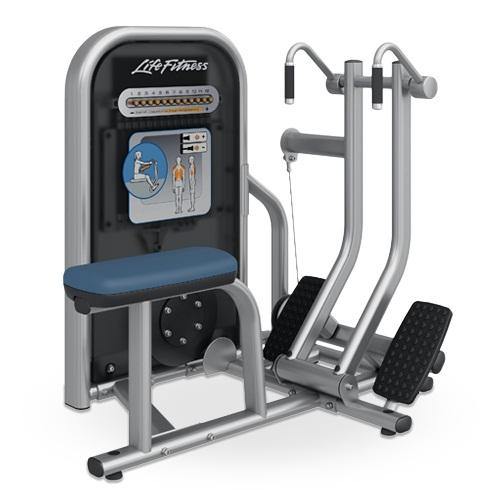
The seated row machine primarily targets the muscles of the upper and middle back so is a great machine if you are looking at strengthening your upper body. It is an easy machine to use and will suit all levels from beginner to experienced. Explore our great range of back row machines below or browse our full range of back workout machines.

The seated row machine primarily targets the muscles of the upper and middle back so is a great machine if you are looking at strengthening your upper body. It is an easy machine to use and will suit all levels from beginner to experienced. Explore our great range of back row machines below or browse our full range of back workout machines.

The seated row machine is  essential  strength equipment designed to engage the upper and middle back muscles, offering added advantages for the arms and posture. Choosing a commercial-grade model requires careful thought of its mechanics, adjustability, durability, size, and features to ensure suitability for intense usage in busy gym settings or for personal use.

Muscles Used With A Seated Row Machine

A back row machine is designed to effectively strengthen and develop healthy back muscles. It isolates the back muscles while providing chest and torso support. Key muscles targeted include the latissimus dorsi—the largest back muscle responsible for pulling the arms downward and backward—and the rhomboids, which stabilize the shoulder blades. Additional muscles worked are the posterior deltoid, teres major, and forearm muscles such as the biceps brachii, brachialis, and brachioradialis. The trapezius and forearm muscles are also actively engaged during use.
The seated row machine predominantly targets:

  • Latissimus dorsi (middle/lower back)
  • Rhomboids (between the shoulder blades)
  • Trapezius (upper/mid-back and neck)
  • Posterior deltoids (rear shoulders)
  • Biceps brachii (front of the upper arm, as secondary movers)

Other stabilisers include the forearm flexors, rotator cuff muscles, and depending on technique, some engagement of the lower back/core for upright posture.

Benefits of a Seated Row Machine

  • Balanced Back Development: Counterbalances chest-dominant training and corrects postural issues like rounded shoulders.
  • Low Back Friendly: The seated position minimizes strain on the lumbar spine compared to unsupported barbell/dumbbell rows.
  • Improved Grip and Arm Strength: Significant activation of the biceps and grip muscles.
  • Versatility: Adjustable path and load make it accessible for beginner to advanced users.
  • Joint-Friendly: Low-impact on the joints, making it suitable for rehabilitation or users with shoulder/lower back sensitivities

Seated Row Machines Buying tips

  1. Machine Type  -  Pin-loaded (selectorised) for broad accessibility and ease of weight change; plate-loaded for max loads.
  2. Build Quality  -  Heavy-gauge steel frame, high-quality bearings, stable base, commercial upholstery for longevity.
  3. Adjustability -   Multi-position chest pad and seat, adjustable footplates for accommodating all user sizes.
  4. Cable System -   Smooth pulley action, high-tensile cables, replaceable cable guides, consistent resistance.
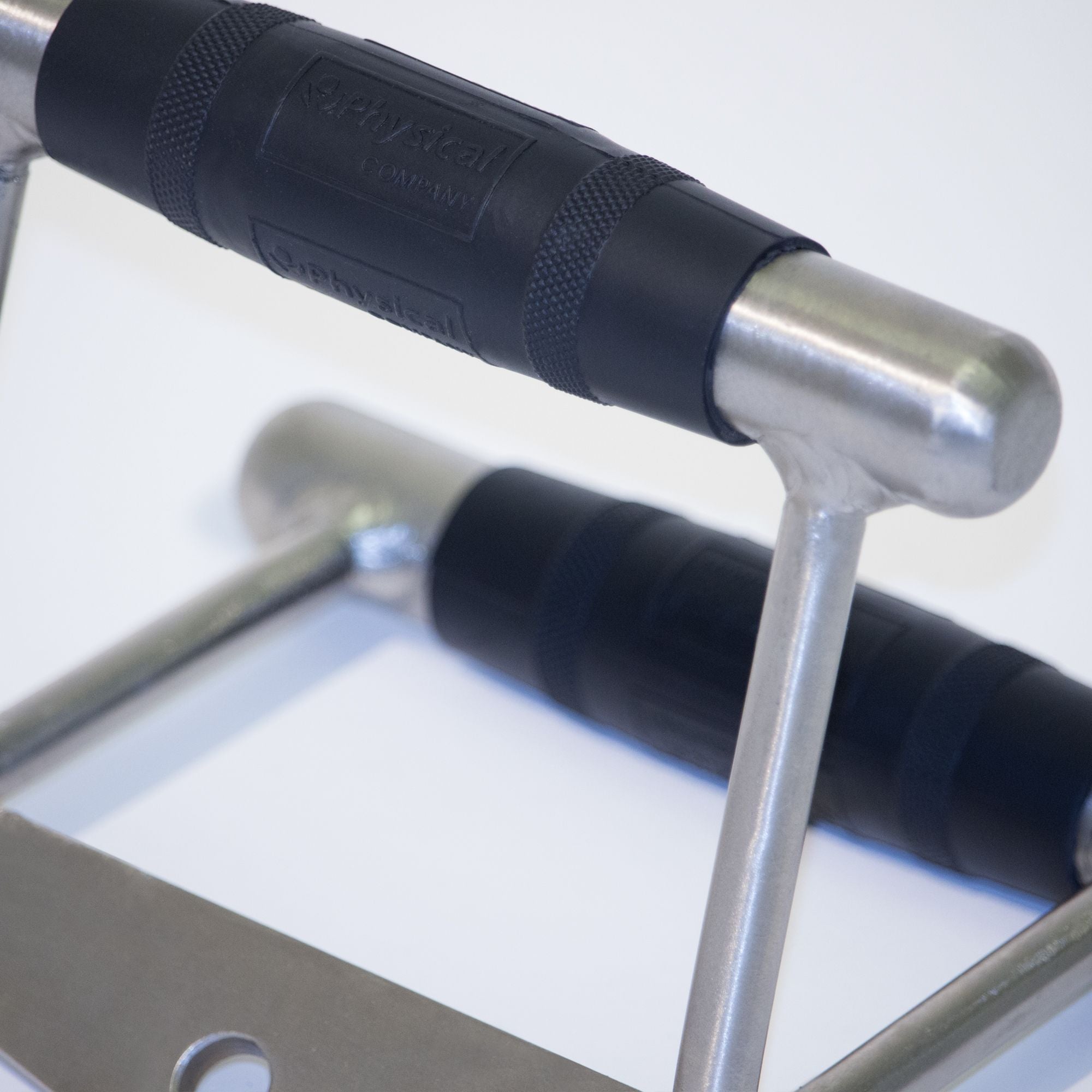
  5. Handle Options  - Multiple handle attachments (wide, neutral, close, pronated/supinated grips) increase movement variety.
  6. Footrests -   Non-slip, angled footplates with robust bracing, critical for safe exertion.
  7. Weight Stack Size    100–130 kg (220–300 lbs) is typical for selectorised units; plate-loaded machines should fit 45-lb plates.
  8. Dimensions -  Assess footprint (often 120–160 cm length x 70–120 cm width) relative to studio layout needs.
  9. Warranty  -  At least 1 year parts/labor plus 5 years on frame is a commercial standard.
  10. User Experience - Well-cushioned seat/chest pads, smooth resistance change, clear labeling, and easy-entry design

In summary when selecting a back row machine for your gym, carefully evaluate the type of resistance it provides, such as weight plates, pulley mechanisms, or air resistance. It is essential to have sufficient adjustability, especially in the seat and handle positions, to accommodate various users. Additionally, confirm that the available space, including ceiling height, is adequate to properly fit the machine.