Muscles Used with a Pendulum Squat Machine
- Primary Activation: Quadriceps (all four heads, with particular emphasis on the vastus medialis oblique due to deep knee flexion), gluteus maximus, and adductors.
- Secondary Activation: Hamstrings, calves (gastrocnemius, soleus), tibialis anterior, and stabilizing muscles in the ankle, core, and lower back (transverse abdominis, obliques, erector spinae).
Foot positioning influences bias—a lower, wider stance will shift more work towards adductors and glutes, while a more standard position keeps the quads dominant.
Key Benefits of Pendulum Squat Machines
- Quad Dominant Focus: Consistent tension throughout the guided arc leads to deep quadriceps activation and hypertrophy, especially in the bottom phase of the squat.
- Reduced Spinal Stress: Upright torso position and fixed movement path minimize compressive forces on the spine, making it ideal for those with back pain or mobility restrictions.
- Joint-Friendly Mechanics: Less impact on knees and hips due to the fluid, machine-guided motion—a big advantage for lifters with joint sensitivities.
- High-Intensity Training Safety: Enables lifters to push close to muscular failure, perform advanced intensity techniques, or train alone without needing spotters.
- Enhanced Technique and Balance: Machine-guided motion enforces proper squatting mechanics and mitigates balance issues, creating a lower learning curve for beginners and reliable movement quality for advanced users.
How to Use the Pendulum Squat
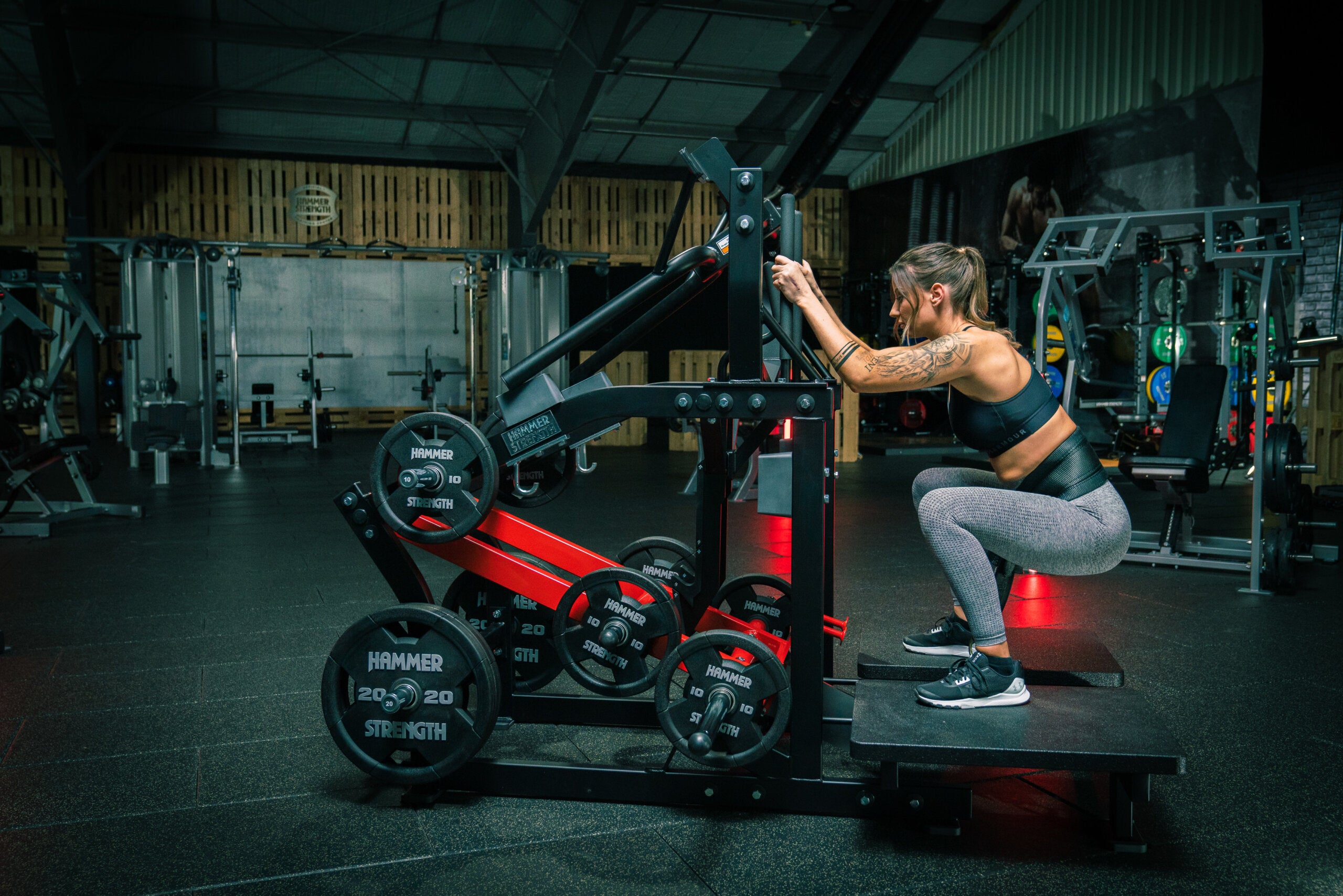
- Set foot placement and adjust the footplate for comfort and joint alignment—start with feet shoulder-width and experiment with stance to alter muscle emphasis.
- Position shoulders against the padding and grasp the handles for stability.
- Initiate movement by descending smoothly along the arc, focusing on deep knee flexion and controlled stretch.
- Drive upwards powerfully through the heels, emphasising quad contraction at the top.
- Adjust depth stop positions as needed to avoid joint overstress, and use the safety pins for heavy/high-intensity sets.
Buying Guide Tips for Pendulum Squat Machine
- Build Quality: Choose pendulum squat machines constructed from heavy-gauge steel with a stable, robust frame for commercial settings or high-frequency use.
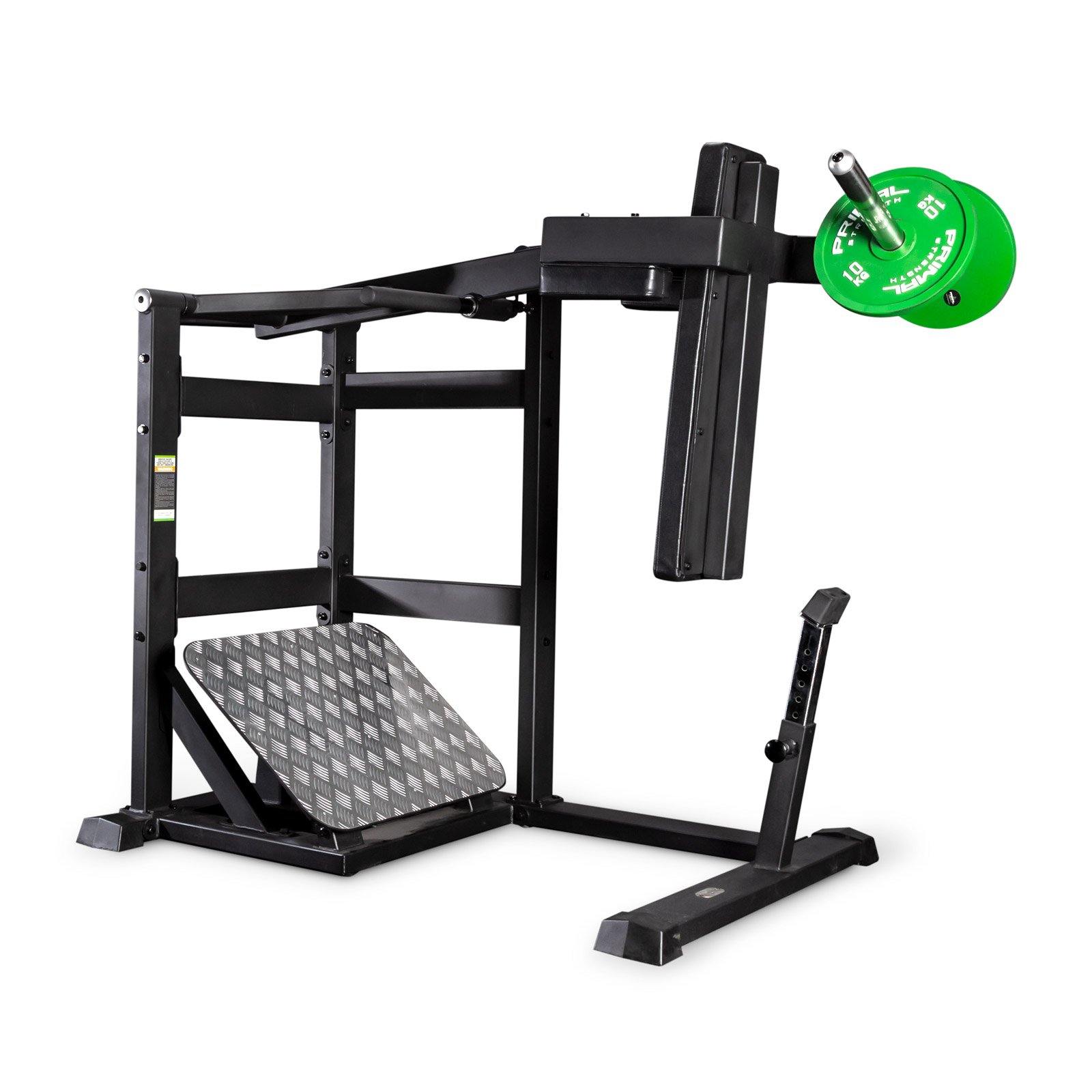
- Adjustability: Look for adjustable footplate, safety pins, and shoulder padding to accommodate users of varying height and stance, improving comfort and biomechanics.
- Space Requirements: Pendulum squat machines tend to be larger than leverage or hack squat machines—ensure you have adequate floor space for installation.
- Safety and Comfort: Prioritise non-slip foot plates, ergonomic shoulder pads, adjustable stop settings for depth, and intuitive safety features such as front pivot racking for easy transitions.
- Brand Reputation & Warranty: Opt for established brands such as Matrix, Exigo, Watson, Hammer Strength, Primal with a reputation for durability and support. Commercial-grade options often come with extended warranties and better build standards.
- Budget and Financing: Pendulum squat machines are typically priced as premium leg equipment—consider financing or refurbished commercial models for budget efficiency.
The pendulum squat machine delivers quad-dominant, joint-friendly strength training, ideal for athletes, rehab patients, and bodybuilding enthusiasts looking to maximize lower-body results with safety and versatility.