Nationwide Sales & Service - 01536 802333

Explore our Boxing Bags & Punch Bags to build striking power, develop speed, and perfect technique with our comprehensive selection of boxing bags. From traditional heavy bags to water-filled aqua bags, freestanding models to specialised Thai bags, we supply equipment endorsed by boxing studios, MMA facilities, CrossFit boxes, and home gym enthusiasts across the UK.
Explore our Boxing Bags & Punch Bags to build striking power, develop speed, and perfect technique with our comprehensive selection of boxing bags. From traditional heavy bags to water-filled aqua bags, freestanding models to specialised Thai bags, we supply equipment endorsed by boxing studios, MMA facilities, CrossFit boxes, and home gym enthusiasts across the UK.
Viewing 32 out of 39 products
Load MorePremium Materials & Construction
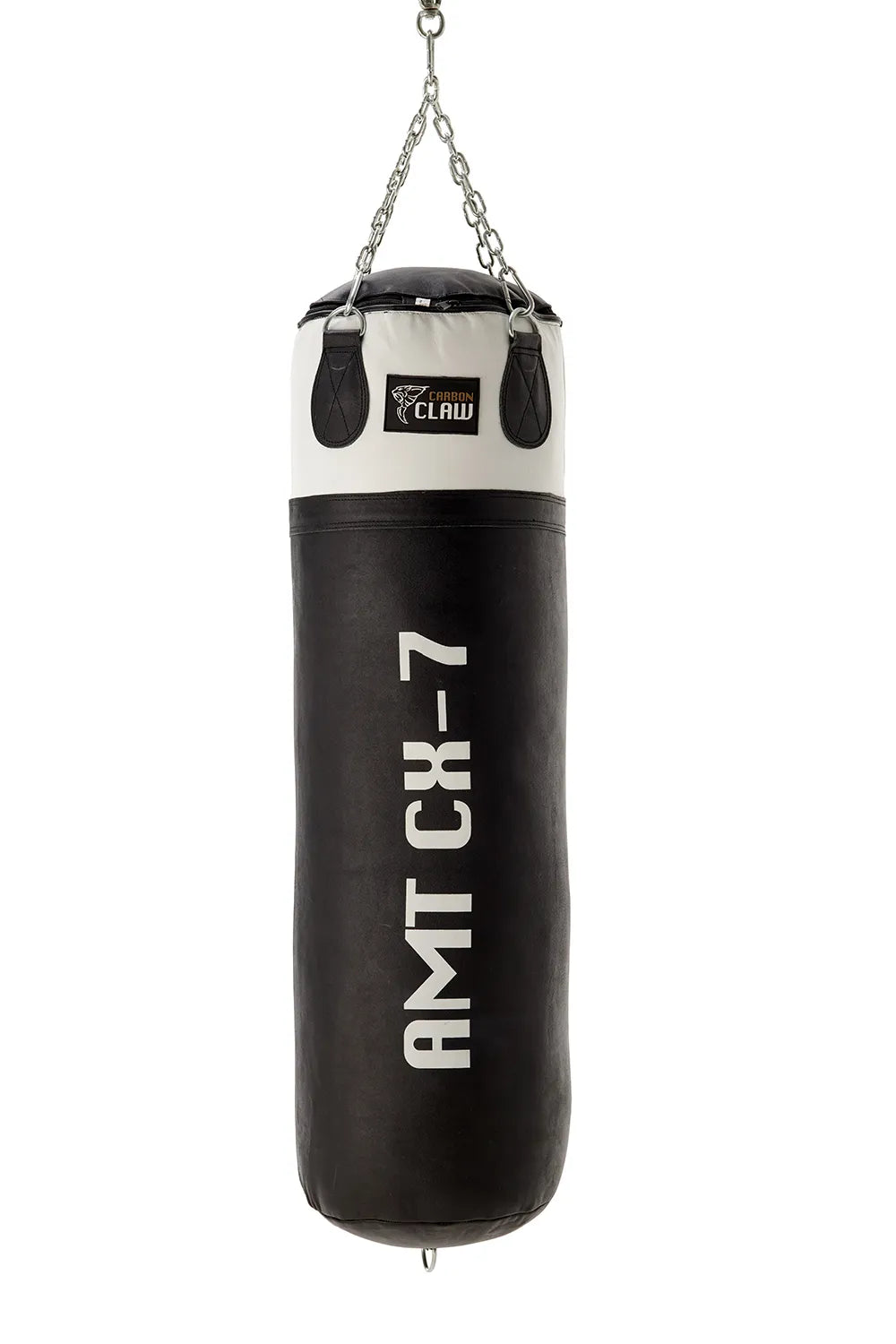
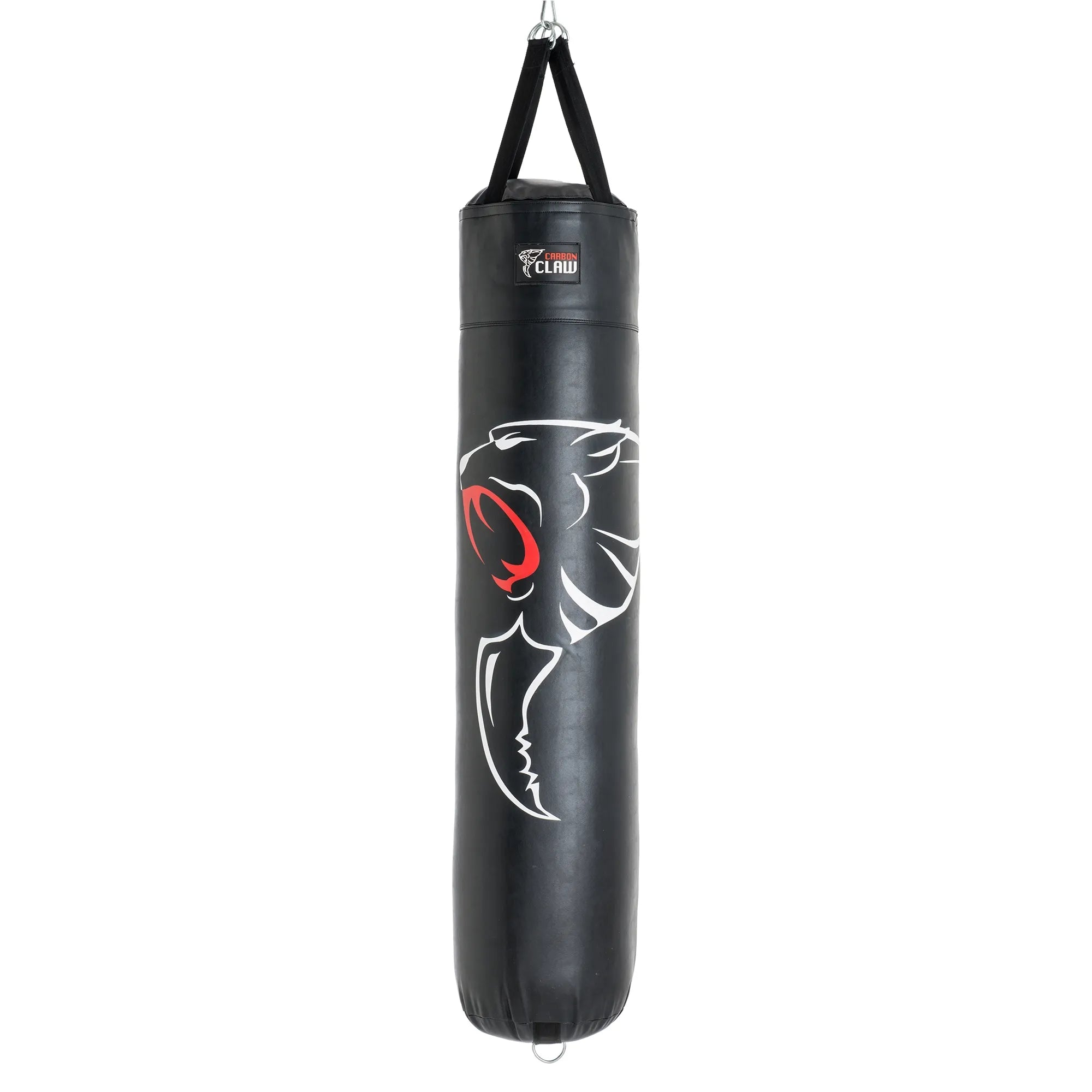
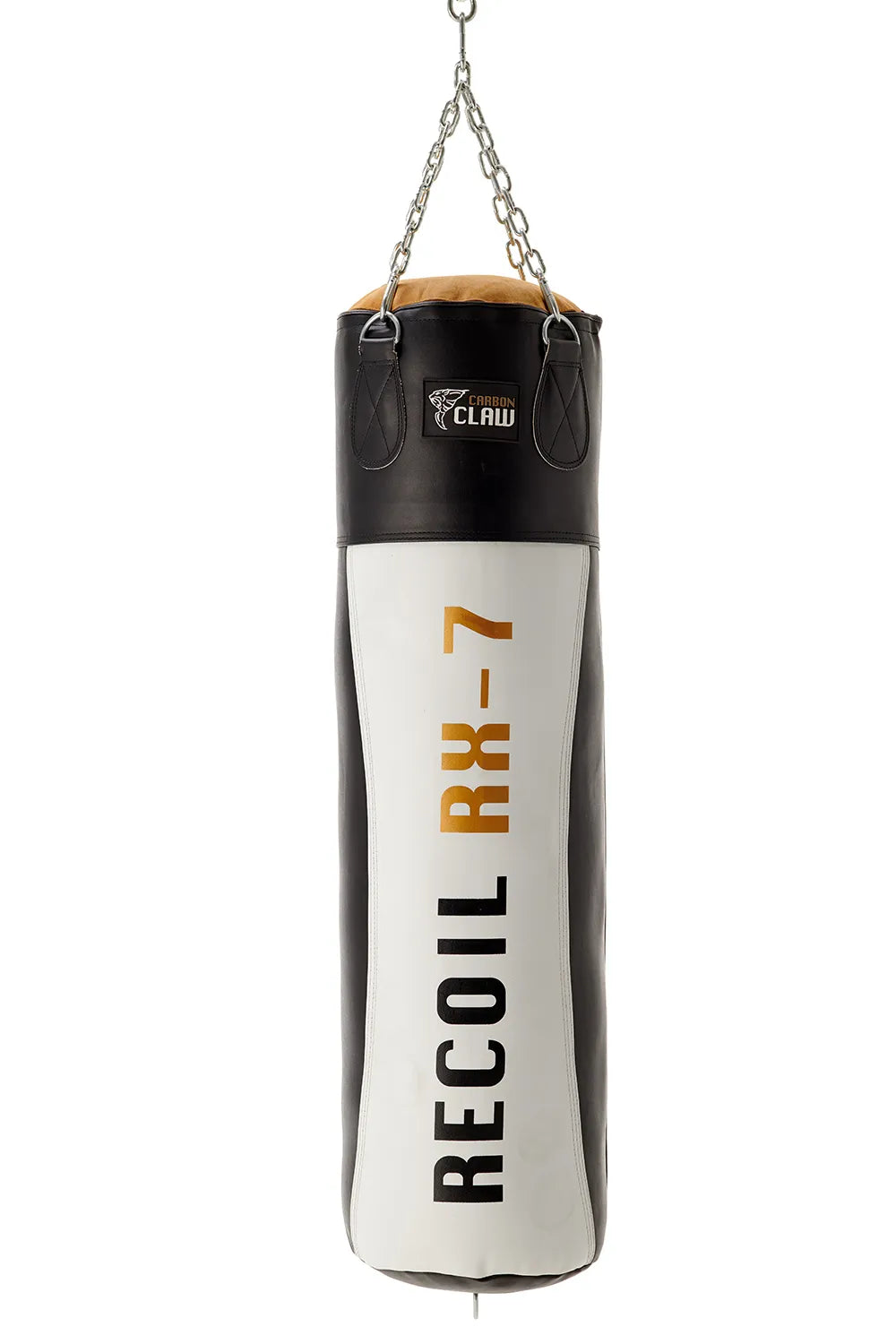
Heavy Bags (Traditional Hanging)
Best for: Power development, traditional boxing training, commercial studios with ceiling mounting.
Sizes: 3ft (90cm, 21kg), 4ft (122cm, 35-55kg), 5ft (152cm, 60kg+), 6ft (183cm, 70kg+).
Pros: Authentic boxing feel, varied sizes for different goals, durable for intensive use, professional standard.
Cons: Requires ceiling mounting (structural support needed), permanent installation, swinging motion requires clearance.
Ideal for: Serious boxers, commercial gyms, dedicated boxing spaces.
Aqua Bags (Water-Filled)
Best for: Joint-friendly training, outdoor use, adjustable weight, high-volume commercial use.
Sizes: 11", 16", 18", 22" diameters with varying water capacities.
Pros: Superior impact absorption, no sagging, adjustable weight, UV-resistant, reduces injuries.
Cons: Requires water source for filling, potential for leaks (quality-dependent), different striking feel.
Ideal for: High-volume studios, outdoor training areas, individuals with joint concerns.
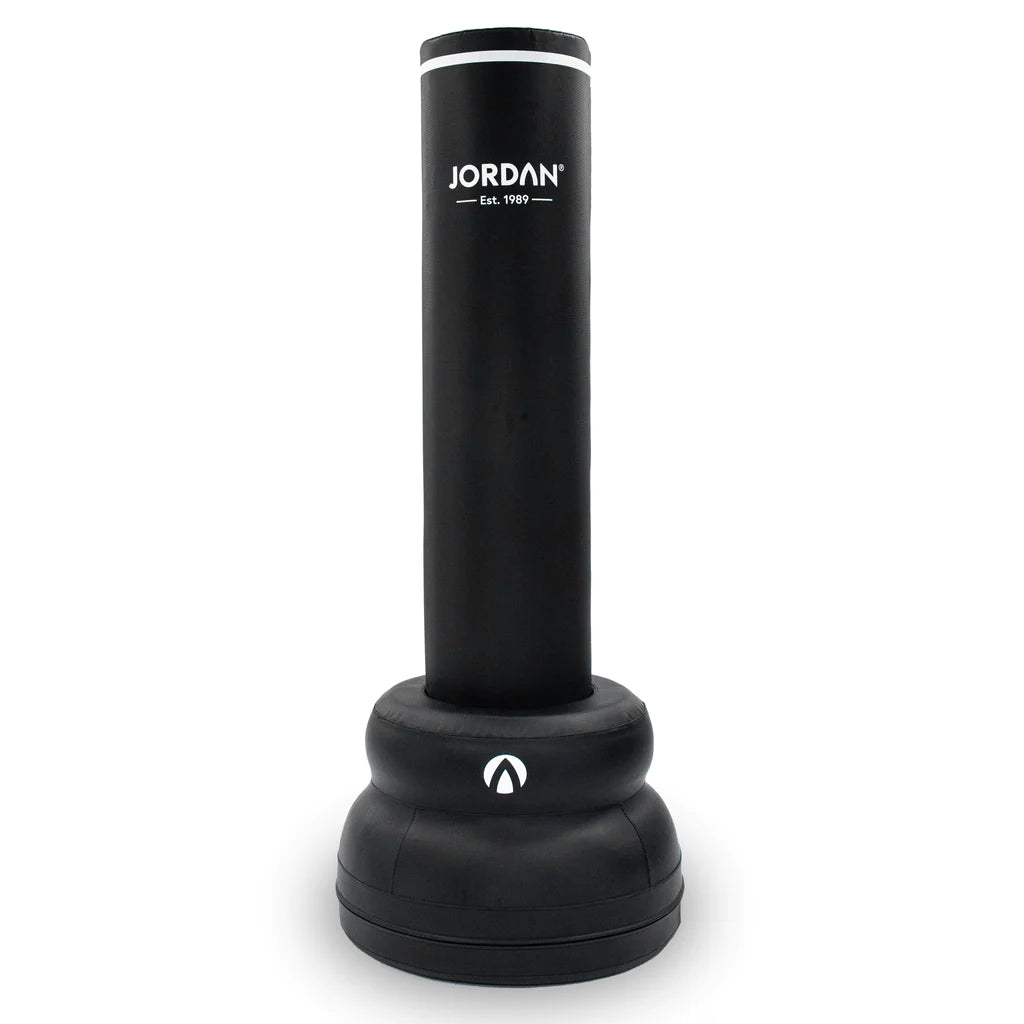
Freestanding Bags
Best for: Home gyms, apartments, rental spaces, facilities without ceiling mounting, portable setups.
Capacity: Bases hold water or sand (75kg total weight).
Pros: No mounting required, portable, adjustable height (147-193cm), 30° tilt capability.
Cons: Larger floor footprint, may move during heavy strikes, limited to one striking surface.
Ideal for: Beginners, home practitioners, multi-purpose spaces, temporary installations.
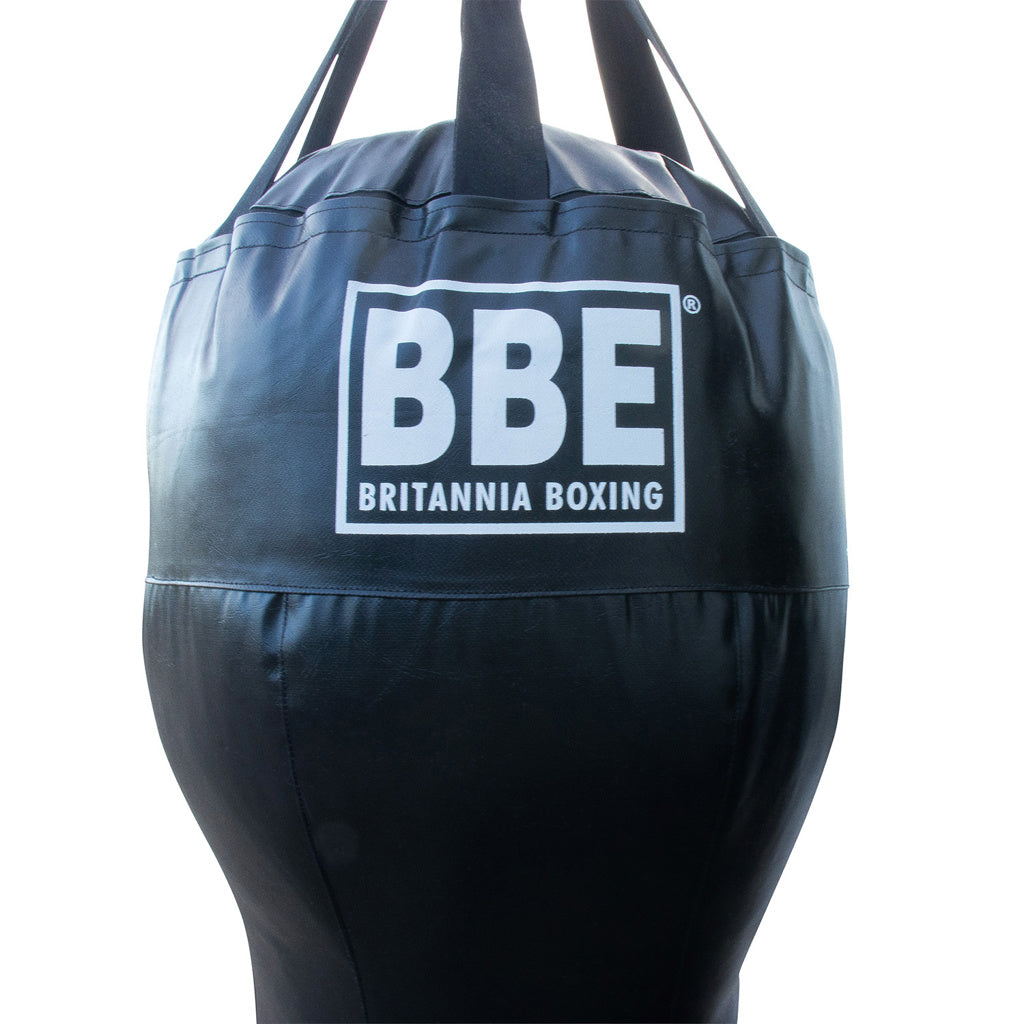
Wrecking Balls
Best for: Footwork development, timing training, movement patterns, balance challenges.
Size: 2ft × 2ft diameter, 42kg filled weight.
Pros: Unique spherical shape challenges coordination, develops footwork and timing.
Cons: Specialized use—not replacement for standard heavy bag, requires experience to use effectively.
Ideal for: Intermediate to advanced boxers, commercial studios offering varied training.
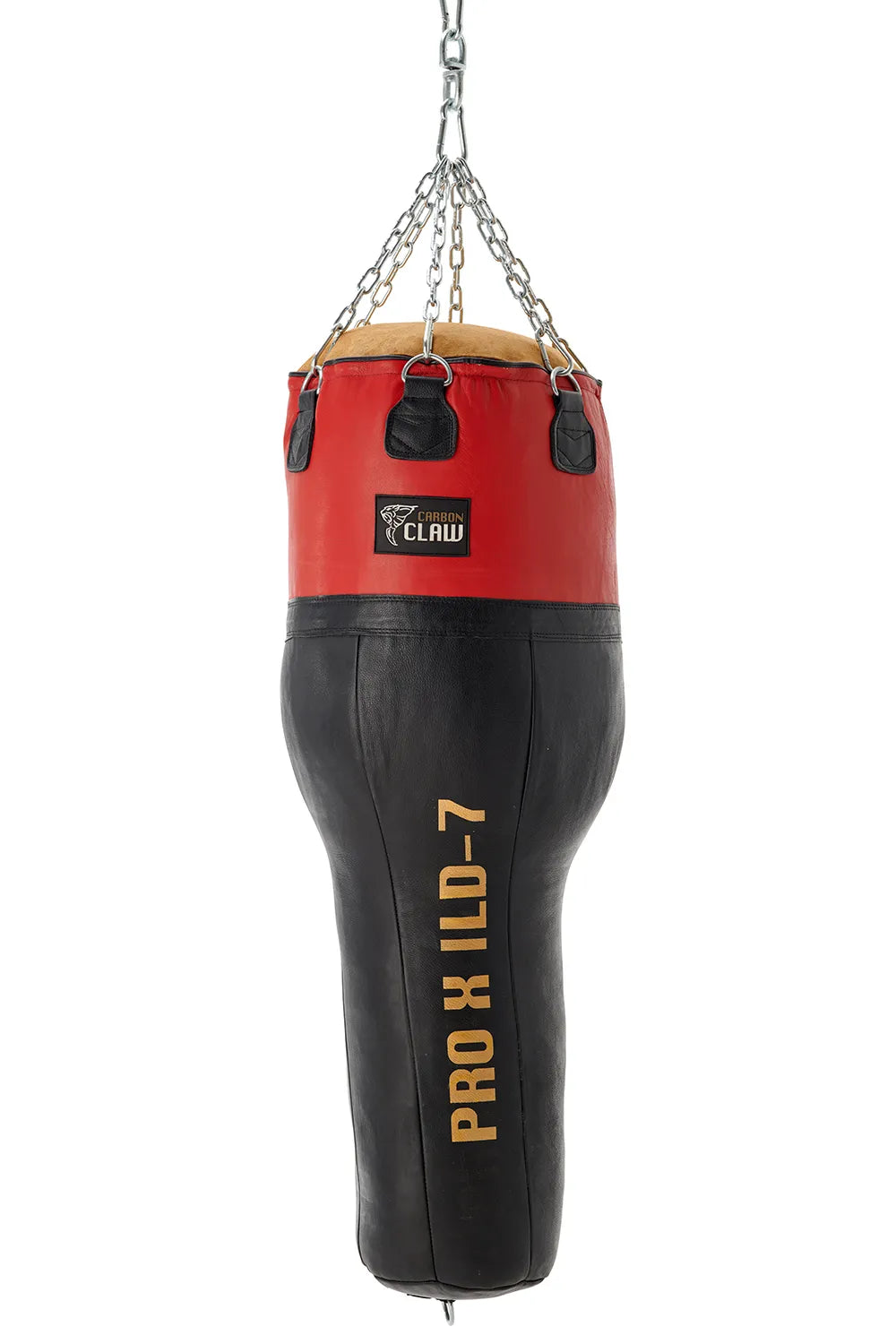
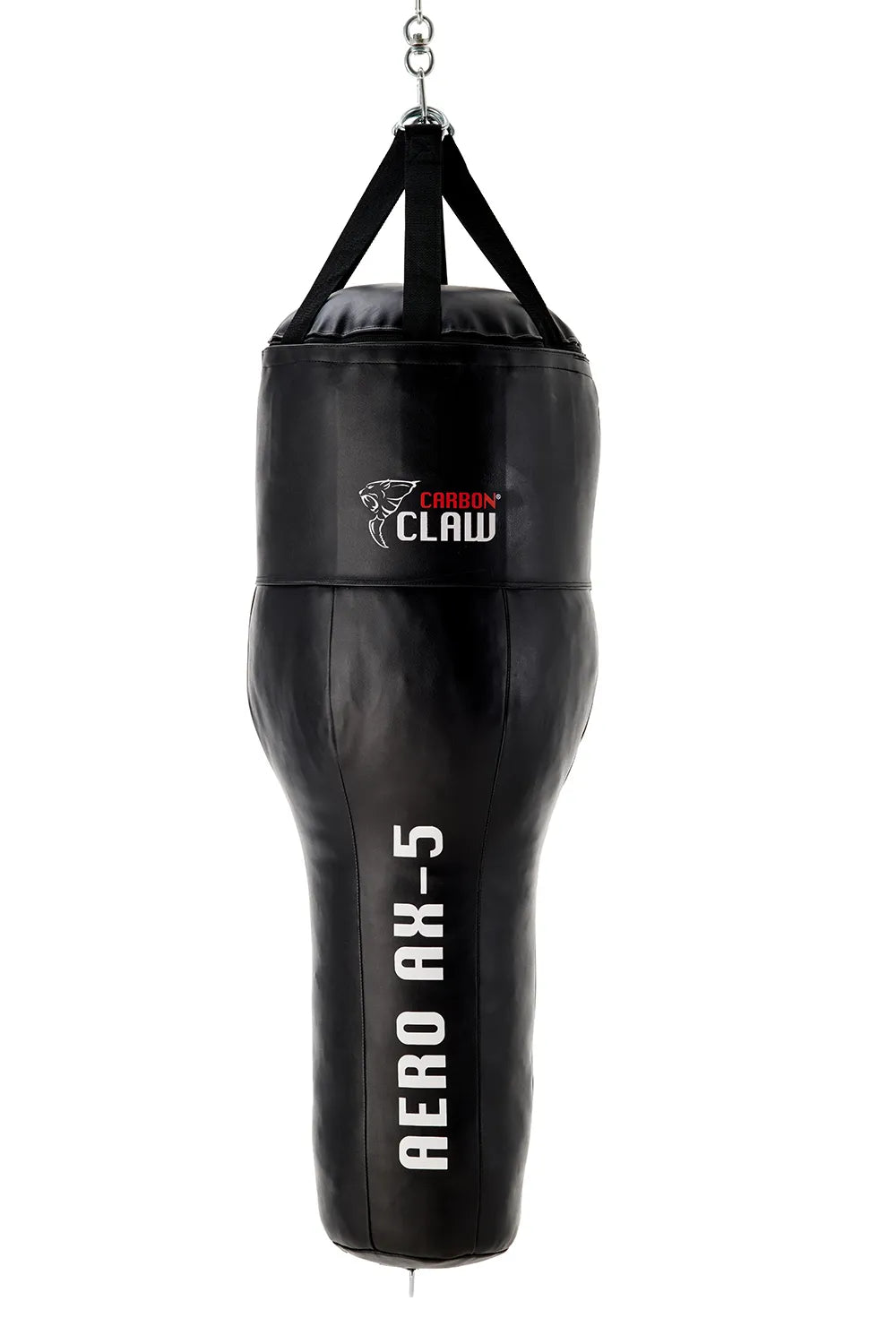
Uppercut Bags
Best for: Practicing uppercuts, composite strikes, specific punch angles.
Size: 4ft length, 16" diameter, 35kg filled weight.
Pros: Enables uppercut practice impossible on standard bags, develops specific techniques.
Cons: Specialized use—supplement to standard heavy bag, not standalone solution.
Ideal for: Boxers refining uppercut technique, commercial studios, advanced training.
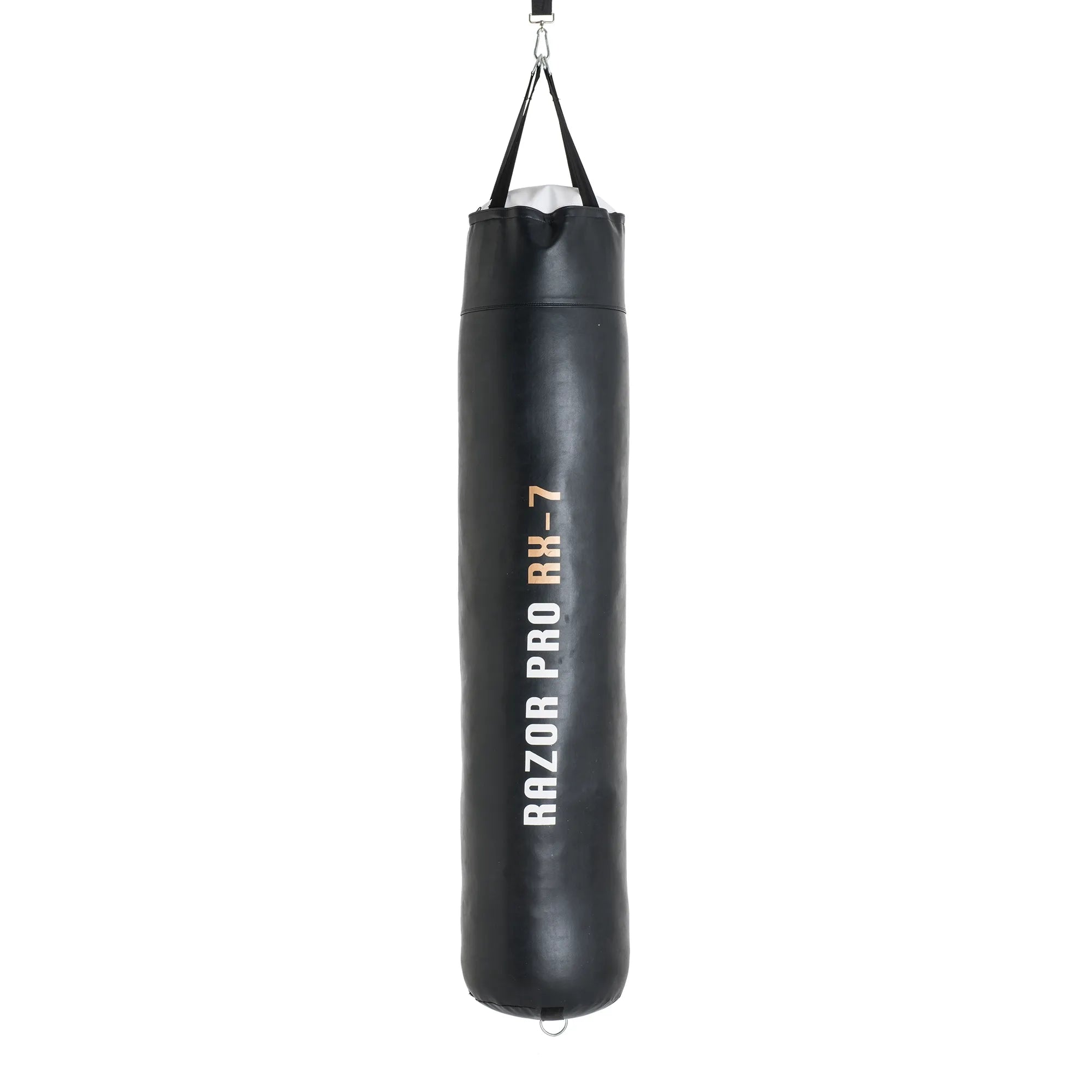
Thai Bags
Best for: Muay Thai, MMA, kickboxing—accommodates kicks, knees, elbows, punches.
Size: 65" length × 14" diameter, 99lb (45kg) weight.
Pros: Extended length for full-body striking, slip-resistant covering, base loop for anchoring.
Cons: Requires more ceiling height, heavier than standard bags, specialized for striking sports.
Ideal for: MMA facilities, Muay Thai gyms, kickboxing studios, combat sports training.
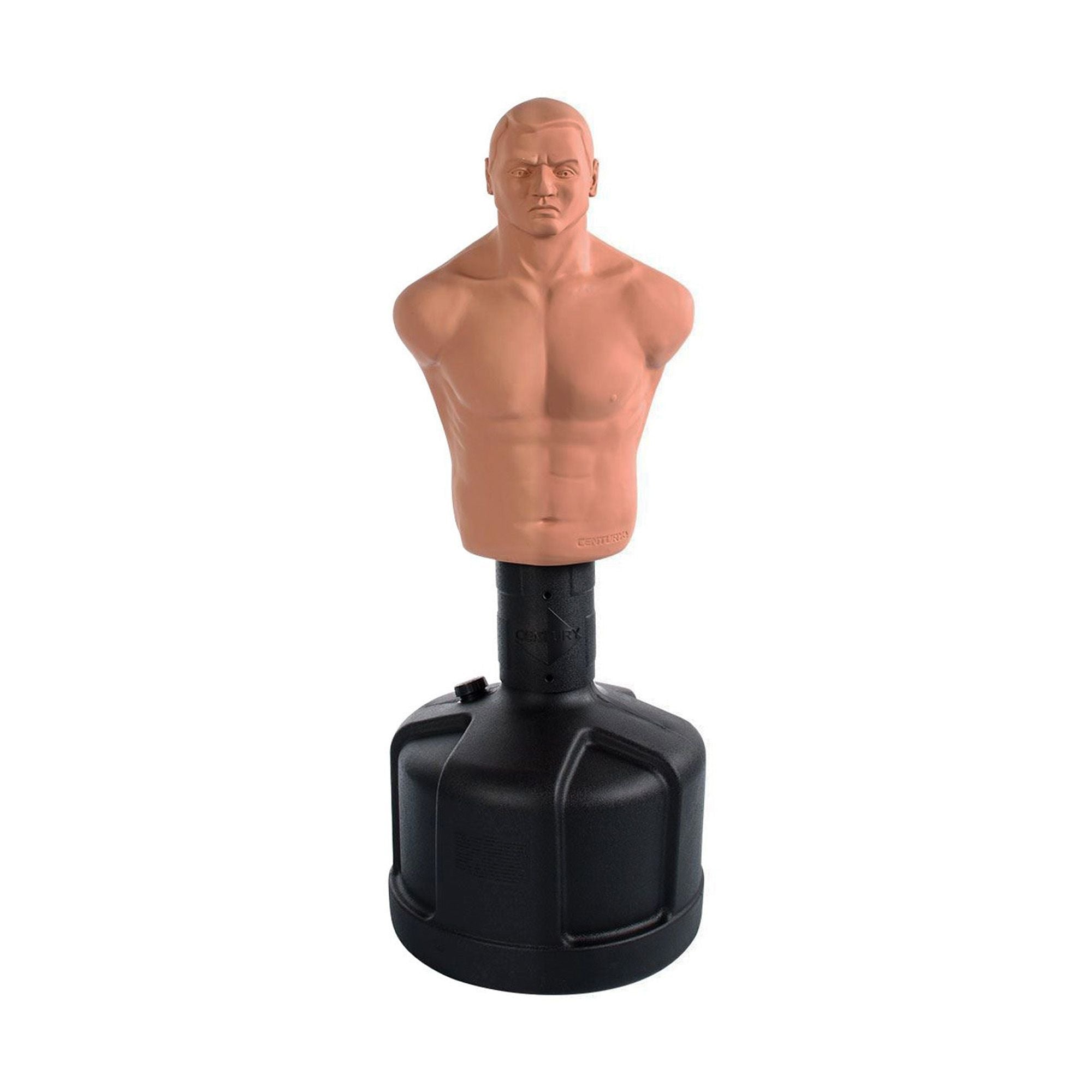
Body Opponent Bags (BOB)
Best for: Precision striking, MMA training, practicing body shots and head strikes.
Features: Anatomically correct torso and head, 8 height adjustments (147-193cm), 61cm base.
Pros: Realistic striking targets, develops precision, suitable for various martial arts.
Cons: Higher cost, limited striking surface compared to full-length bags.
Ideal for: MMA training, self-defense practice, precision striking development.
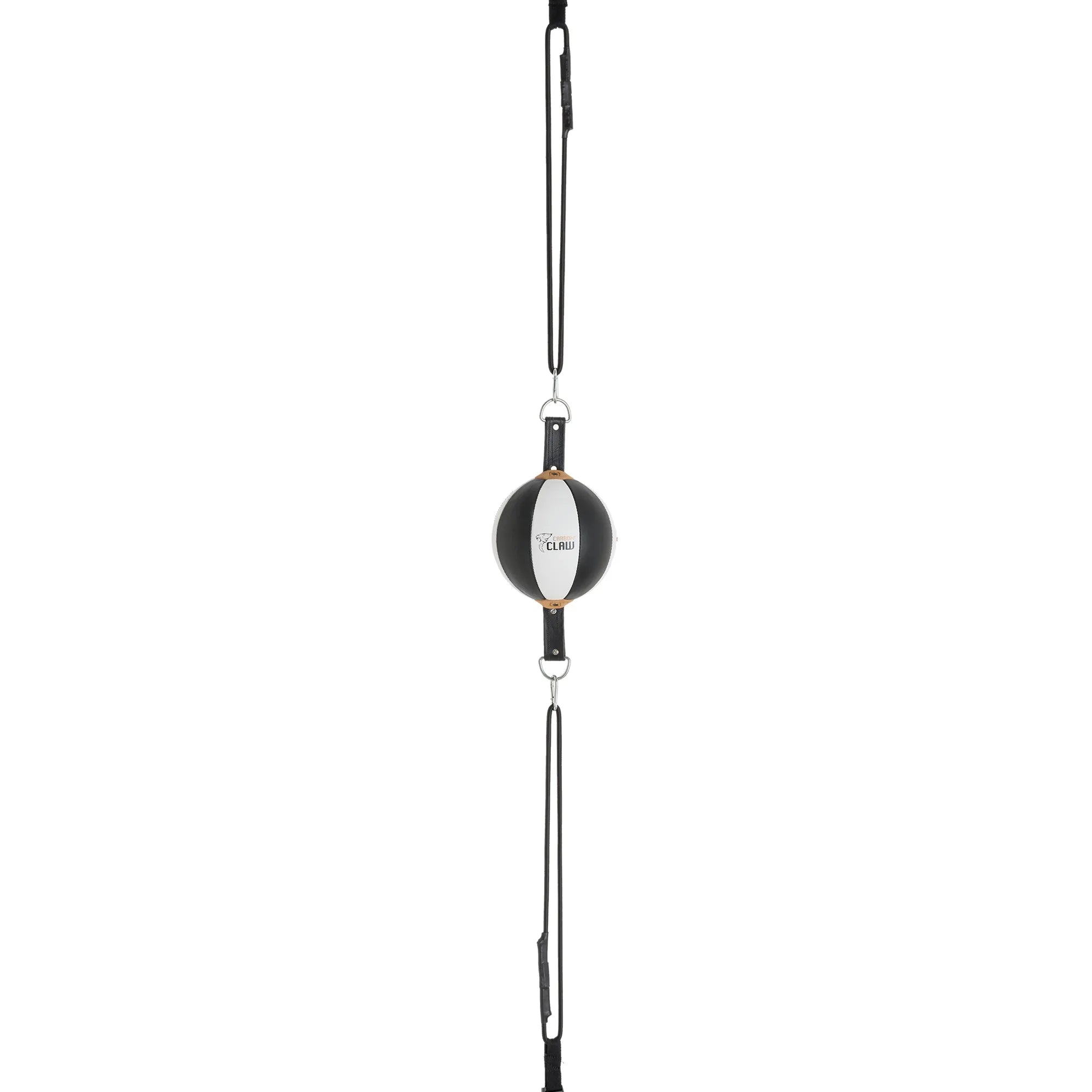
Speed Balls
Best for: Hand-eye coordination, rhythm, speed, shoulder endurance, warm-ups.
Size: 8" diameter (intermediate to advanced), smaller sizes for beginners.
Pros: Develops coordination and speed, compact footprint, affordable.
Cons: Requires wall or platform mounting, steep learning curve for beginners.
Ideal for: All skill levels, commercial studios, home gyms with mounting capability.
What weight punch bag should I buy?
Use formula: your body weight ÷ 2 = ideal bag weight. 70kg person = 35kg bag. Beginners and speed work: 20-35kg. Intermediate and general training: 35-50kg. Advanced and power development: 50-70kg+. Heavier bags absorb strikes with less movement (better for power); lighter bags swing more (better for timing and footwork).
What size punch bag do I need?
3ft (90cm): Speed work, beginners, younger athletes, limited ceiling height. 4ft (122cm): Most popular, versatile for all training types, suitable for most users. 5ft (152cm): Power development, taller users, commercial studios. 6ft (183cm): Maximum power training, professional boxers, high ceilings required. Thai bags (65"): Muay Thai and MMA requiring kick training.
Should I buy leather or synthetic punch bag?
Leather: More durable (5-10 years commercial), professional feel, higher cost (£200-500+), requires maintenance. Best for commercial studios and serious boxers. Synthetic PU: Affordable (£80-200), weather-resistant, low maintenance, adequate durability (2-5 years). Best for home gyms and budget-conscious buyers. Choose leather for performance and longevity; synthetic for value and outdoor use.
Are aqua bags better than traditional punch bags?
Aqua bags offer superior impact absorption, reducing hand and wrist injuries—ideal for high-volume training and joint protection. They never sag and weight adjusts easily. However, they feel different than traditional bags, may leak if damaged, and cost more. Traditional bags provide more authentic boxing feel and are more durable long-term. Choose aqua for joint protection and outdoor use; traditional for authentic training and longevity.
Can I hang a punch bag from my ceiling?
Only if you have solid structural support (ceiling joists or concrete). Drywall alone cannot support dynamic loads from striking. Ceiling must support 3-4× bag weight. Professional installation recommended for bags over 50kg or commercial use. Verify ceiling structure before purchase—freestanding bags are safer alternative if uncertain.
How much space do I need for a punch bag?
Minimum 1.5m radius clearance around bag for safe movement and swinging. Heavy bags: 3m × 3m total space. Freestanding bags: 2.5m × 2.5m. Ceiling height: 2.4m minimum for standard bags, 2.7m+ for Thai bags. Heavier bags swing less (require less clearance); lighter bags swing more (require more clearance).
Do freestanding bags move when you hit them?
Some movement is normal and expected. Minimise movement by: filling base completely with sand (more stable than water), placing on rubber mat for additional grip, ensuring base is level, choosing heavier models (75kg+). Excessive movement indicates insufficient base weight or uneven floor. Freestanding bags will never be as stable as properly mounted heavy bags.
What's the difference between a wrecking ball and heavy bag?
Wrecking balls (2ft × 2ft spherical, 42kg) are specialized for footwork, timing, and movement training. They swing unpredictably, challenging coordination and balance. Heavy bags (cylindrical, 20-70kg) are standard for power development and general boxing training. Wrecking balls supplement heavy bags but don't replace them—use both for comprehensive training.
Can I use a punch bag outdoors?
Aqua bags with UV-resistant vinyl are designed for outdoor use. Traditional leather bags degrade quickly outdoors—use synthetic PU if outdoor use necessary. Protect from rain, direct sunlight, and extreme temperatures. Store indoors when not in use to maximize lifespan. Outdoor use accelerates wear on all bags—expect shorter lifespan.
Do I need chains and swivels?
Yes, for hanging bags. Chains distribute weight across multiple D-rings. Swivels prevent chain twisting during bag rotation. Use 4-strand chains for bags up to 40kg, 6-strand for heavier bags. Swivels should be rated for 6 tons for heavy bags. Some bags include chains; verify before purchase. Freestanding and wall-mounted bags don't require chains.
Can beginners use heavy punch bags?
Yes, but start with lighter bags (20-35kg) and proper technique instruction. Use 14-16oz gloves and hand wraps for maximum protection. Learn correct punching mechanics before intensive training to prevent hand and wrist injuries. Consider lessons or online tutorials. Progress to heavier bags as technique and conditioning improve.
What's a body opponent bag (BOB) used for?
BOB provides anatomically correct torso and head for precision striking practice. Develops accuracy for head and body shots. Ideal for MMA training, self-defense practice, and martial arts. 8 height adjustments (147-193cm) accommodate different users. Supplements traditional heavy bags but doesn't replace them—use both for comprehensive training.
How do I stop my punch bag from swinging too much?
Use base D-ring to attach weight or anchor to floor. Choose heavier bags (50kg+) for less swing. Ensure proper ceiling mounting with quality swivel. Develop footwork to work with bag movement rather than against it. Some swing is normal and beneficial for timing training—excessive swing indicates bag too light for your power level.